
Everything You Need to Know About Prenatal Ultrasounds

Prenatal Ultrasound During Pregnancy

Pregnancy is a beautiful journey—but it also comes with many questions. One of the most important tools for monitoring your baby’s health is a prenatal ultrasound.

In this guide, Dr. Praveen Chopra, Gynaecologist at Om Global Hospital, explains why ultrasounds are essential, when they should be done, and how they help ensure a safe and healthy pregnancy.

What Is a Prenatal Ultrasound?

A prenatal ultrasound is a safe, painless imaging test that uses sound waves to create pictures of your baby inside the womb.

It helps doctors:

  • Confirm pregnancy
  • Detect the baby’s heartbeat
  • Check fetal growth and development
  • Identify multiple pregnancies (twins/triplets)
  • Detect structural abnormalities

Ultrasounds are a routine and crucial part of antenatal care.

Recommended Ultrasound Schedule During Pregnancy

Understanding the timing of ultrasounds can help you stay prepared and stress-free.

1️⃣ First Ultrasound – Around 6 Weeks

This early scan is usually performed to:

  • Confirm pregnancy
  • Detect the baby’s heartbeat
  • Determine the due date
  • Rule out ectopic pregnancy

This is often an emotional milestone for parents, as it’s the first glimpse of their baby.

2️⃣ Second Ultrasound – Around 11 Weeks

Also known as the NT scan (Nuchal Translucency scan), this ultrasound:

  • Assesses the risk of chromosomal abnormalities
  • Evaluates early fetal anatomy
  • Confirms healthy development

This scan plays a key role in first-trimester screening.


3️⃣ Level 2 Scan – Between 18 to 22 Weeks

The Level 2 ultrasound (also called the anomaly scan) is one of the most detailed scans during pregnancy.

It helps doctors:

  • Examine the baby’s organs
  • Check brain, spine, heart, and kidneys
  • Detect structural abnormalities
  • Monitor placenta position
  • Measure fetal growth

This scan ensures your baby is developing normally in the second trimester.

4️⃣ Growth Scan – Around 32 Weeks

The 32-week ultrasound focuses on:

  • Monitoring baby’s growth
  • Checking amniotic fluid levels
  • Assessing placenta health
  • Confirming baby’s position

This scan helps prepare for a safe delivery.

When Are Additional Ultrasounds Needed?

Sometimes, extra ultrasounds may be required if:

  • There is vaginal bleeding
  • The mother experiences reduced baby movements
  • There are signs of gestational diabetes or high blood pressure
  • Growth concerns arise
  • There are previous pregnancy complications

Your doctor will recommend additional scans based on your specific condition.

Common Myths About Pregnancy Ultrasounds

Myth 1: Too many ultrasounds are harmful.
Ultrasounds are considered safe when performed under medical supervision.

Myth 2: Ultrasounds are only for gender detection.
The primary purpose is monitoring fetal health and development.

Myth 3: If you feel fine, you don’t need scans.
Many complications show no symptoms initially. Regular scans help detect issues early.

Why Regular Prenatal Ultrasounds Matter

Regular ultrasounds:

  • Provide reassurance to parents
  • Help detect complications early
  • Guide timely medical intervention
  • Ensure better pregnancy outcomes

At Om Global Hospital, our experienced obstetric team ensures every expecting mother receives personalized and comprehensive prenatal care.

Final Thoughts

Prenatal ultrasounds are not just routine tests—they are vital milestones in your pregnancy journey. Staying informed and following the recommended ultrasound schedule can make a significant difference in ensuring a healthy mother and baby.

If you are pregnant or planning to conceive, consult the experts at Om Global Hospital, Faridabad, for complete maternity care and advanced fetal monitoring services.
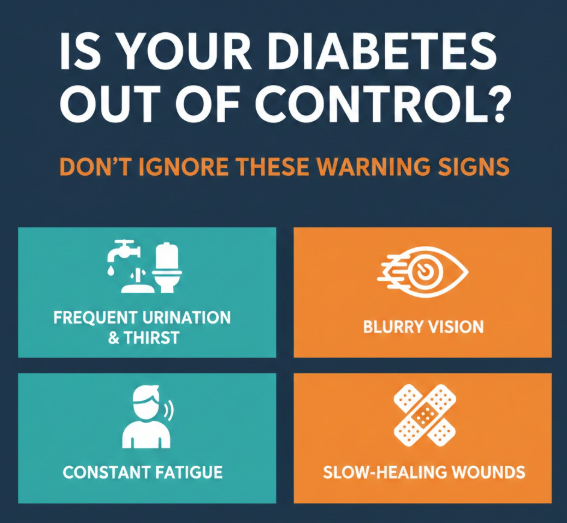
Is Your Diabetes Out of Control? Don’t Ignore These Warning Signs

Multispeciality Hospital Faridabad

Diabetes is a chronic condition that requires daily monitoring, lifestyle discipline, and regular medical supervision. But many patients focus only on sugar readings and ignore the warning signs their body gives when something is wrong.

At Om Global Hospital, we believe awareness is the first step toward prevention. Recognizing early red flags of uncontrolled diabetes can help you avoid serious and life-threatening complications.

Let’s understand the critical signs you should never ignore.

📉 1. Frequent High or Low Blood Sugar Levels

Occasional fluctuations are common. However, if your blood sugar is constantly swinging between highs and lows, it may indicate poor control.

Signs of High Blood Sugar (Hyperglycemia):

  • Excessive thirst
  • Frequent urination
  • Fatigue and weakness
  • Headache
  • Blurred vision

Signs of Low Blood Sugar (Hypoglycemia):

  • Shaking or trembling
  • Sweating
  • Sudden dizziness
  • Confusion
  • Irritability

Repeated fluctuations can damage your heart, kidneys, nerves, and eyes. If your readings are unstable despite medication, it’s time to consult a specialist.

⚠️ 2. Severe Dizziness or Hypoglycemic Shock

Low blood sugar can escalate quickly and become dangerous.

Warning Signs Include:

  • Extreme dizziness
  • Slurred speech
  • Fainting
  • Rapid heartbeat
  • Loss of consciousness

Hypoglycemic shock is a medical emergency. Immediate medical care can prevent brain damage or other serious complications. Family members should also be aware of these symptoms so they can act quickly.

🫀 3. Chest Pain, Numbness, or Tingling Sensations

Diabetes significantly increases the risk of heart disease and nerve damage.

Watch for:

  • Chest pain or tightness
  • Shortness of breath
  • Numbness in hands or feet
  • Burning sensation in legs
  • Slow-healing wounds

These symptoms may signal heart complications or diabetic neuropathy. Ignoring them can lead to heart attack, stroke, or permanent nerve damage.

👁️ 4. Sudden Vision Changes

Blurred or double vision is a major warning sign of uncontrolled diabetes.

High blood sugar damages the tiny blood vessels in the eyes, which can lead to serious conditions such as diabetic retinopathy. Early symptoms include:

  • Blurry vision
  • Dark spots
  • Difficulty focusing
  • Partial vision loss

Regular eye examinations are essential for preventing permanent vision damage.

🏥 When Should You Seek Immediate Medical Help?

Do not delay medical attention if:

  • Blood sugar stays above 250 mg/dL repeatedly
  • Blood sugar drops below 70 mg/dL frequently
  • You experience chest pain
  • There is sudden vision loss
  • You feel confused or unconscious

Early medical intervention can prevent long-term complications.

Why Early Intervention is Crucial

Uncontrolled diabetes can silently damage your body for years. Without proper care, it may lead to:

  • Kidney failure
  • Heart disease
  • Stroke
  • Nerve damage
  • Vision loss

At Om Global Hospital, our experienced medical team provides comprehensive diabetes management, advanced diagnostics, and personalized treatment plans to help you stay healthy and complication-free.

Take Control Before It’s Too Late

Diabetes does not have to control your life. The key is awareness, timely action, and expert medical guidance.

If you or your loved one are experiencing any of these warning signs, consult our specialists today. Early care can protect your health and improve your quality of life.

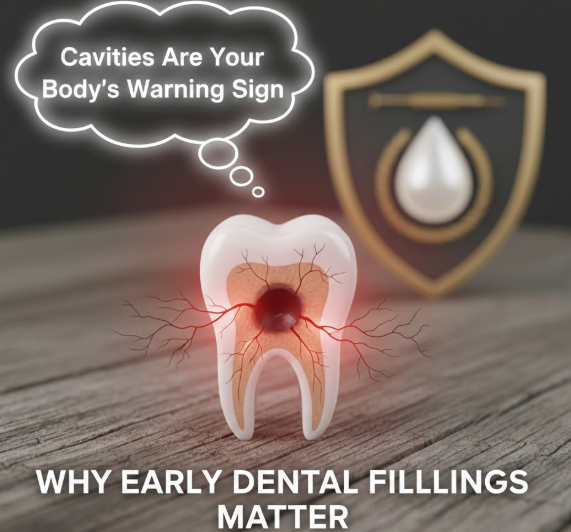
Cavities Are Your Body’s Warning Sign: Why Early Dental Fillings Matter

Cavity treatment in Faridabad

A mild toothache or sudden sensitivity is not something to ignore. Cavities are your body’s way of sounding an alarm. Whether caused by poor oral hygiene, sugary eating habits, or hidden decay, early treatment is essential to protect your smile.

At Om Global Hospital, we provide advanced and painless dental filling treatments in Faridabad to stop tooth decay before it becomes serious.

What Are Cavities?

Cavities (tooth decay) are damaged areas in the hard surface of your teeth caused by bacteria and acid formation. If untreated, they can grow deeper and affect the inner pulp of the tooth, leading to severe pain and infection.

Early diagnosis at Om Global Hospital helps prevent complications and preserves your natural teeth.

Why Do Cavities Develop?

1. Poor Oral Hygiene

Not brushing and flossing regularly allows plaque buildup, which damages tooth enamel.

2. Sugary & Acidic Foods

Frequent consumption of sweets, soft drinks, and processed foods increases acid production in the mouth.

3. Hidden Decay

Cavities can develop between teeth or under old fillings. Regular dental check-ups are essential for early detection.

Early Warning Signs You Shouldn’t Ignore

If you experience any of these symptoms, consult our dental experts immediately:

  • Tooth sensitivity to hot or cold
  • Pain while chewing
  • Visible holes or dark spots
  • Persistent bad breath
  • Mild or recurring toothache

Ignoring these signs can lead to root canal treatment or even tooth extraction.

How Dental Fillings Save Your Teeth

A dental filling is a simple procedure where the decayed part of the tooth is removed and filled with a safe, durable material.

Benefits of Early Dental Filling:

✔ Stops decay from spreading
✔ Prevents severe tooth pain
✔ Avoids costly root canal treatment
✔ Restores tooth strength and function
✔ Preserves your natural smile

At Om Global Hospital, we use modern tooth-colored composite fillings that blend naturally with your teeth.

Why Choose Om Global Hospital for Cavity Treatment in Faridabad?

  • Experienced dental specialists
  • Advanced diagnostic technology
  • Painless and safe procedures
  • Hygienic and patient-friendly environment
  • Affordable dental treatment packages

We focus on early intervention to ensure long-term oral health.

Tips to Prevent Cavities

  • Brush twice daily with fluoride toothpaste
  • Floss regularly
  • Reduce sugary snacks and drinks
  • Drink plenty of water
  • Schedule dental check-ups every 6 months

Prevention and early care are the keys to a healthy smile.

Book Your Dental Consultation Today

If you are experiencing tooth sensitivity or discomfort, don’t wait. Early treatment can save your tooth and prevent future complications.

📍 Visit Om Global Hospital, Faridabad
📞 Book your appointment today for expert cavity treatment and dental fillings.

Your smile deserves expert care.

1st Trimester of Pregnancy: What Every Mother-to-Be Needs to Know

early pregnancy symptoms

Pregnancy is a beautiful journey, and it all begins with the first trimester—the initial 12 weeks that lay the foundation for your baby’s growth and your own well-being. While this phase may feel overwhelming due to physical and emotional changes, it is also the most crucial time to take the right steps for a healthy pregnancy.

At Om Global Hospital, Faridabad, Dr. Deepa Aggarwal, Director, shares essential guidance to help mothers-to-be navigate the first trimester with confidence and care.

Why the First Trimester Is So Important

The first trimester is when your baby’s vital organs begin to form, including the brain, heart, spine, and limbs. Because development happens so rapidly, this period is highly sensitive to nutrition, lifestyle choices, and medical care.

Early awareness and timely medical support can significantly reduce the risk of complications later in pregnancy.

1. Early Doctor Consultation: Your First Step to a Healthy Pregnancy

As soon as pregnancy is confirmed, scheduling an appointment with a gynaecologist is essential. Early consultations help to:

  • Confirm pregnancy and estimate due date
  • Review medical history and previous pregnancies
  • Identify risk factors early
  • Plan required blood tests and screenings

At Om Global Hospital, we focus on personalized prenatal care, ensuring both mother and baby receive the attention they need from the very beginning.

2. Why Folic Acid Is Essential from Day One

One of the most important supplements during the first trimester is Folic Acid.

Benefits of Folic Acid:

  • Helps prevent neural tube defects (brain and spinal cord issues)
  • Supports early brain and spinal development
  • Reduces the risk of certain birth defects

Doctors usually recommend starting folic acid even before conception and continuing through the first trimester, as advised by your healthcare provider.

3. First Ultrasound: What to Expect

Your first ultrasound, usually done between 6–8 weeks, is an exciting milestone. It helps to:

  • Confirm intrauterine pregnancy
  • Detect the baby’s heartbeat
  • Estimate gestational age
  • Rule out early complications

Seeing your baby for the first time can be an emotional and reassuring experience, especially when guided by expert care.

4. Lifestyle Adjustments During the First Trimester

Small changes in daily habits can make a big difference during early pregnancy.

🥗 Diet

  • Eat fresh, home-cooked, and nutritious food
  • Include fruits, vegetables, dairy, and proteins
  • Avoid raw, undercooked, or unhygienic food

✈️ Travel

  • Short-distance travel is usually safe
  • Avoid long, tiring journeys without medical advice

🚫 Safety

  • Avoid smoking, alcohol, and self-medication
  • Limit caffeine intake
  • Get adequate rest and manage stress

Always consult your doctor before making any major lifestyle changes.

Trust Om Global Hospital for Expert Pregnancy Care

Located in Faridabad, Om Global Hospital is committed to supporting women at every stage of pregnancy. With experienced specialists, advanced diagnostic facilities, and compassionate care, we truly believe in our motto:

“Where Health Comes First.”

Whether you are planning a pregnancy or have just entered your first trimester, our team is here to guide you every step of the way.

Final Thoughts

The first trimester is the foundation of a healthy pregnancy. With early medical consultation, proper nutrition, essential supplements like folic acid, and mindful lifestyle choices, you can ensure the best possible start for your baby.

If you have any concerns or questions, don’t hesitate to consult the experts at Om Global Hospital, Faridabad—because your journey into motherhood deserves the best care.

A Mother’s Guide to Glucose Testing During Pregnancy

gestational diabetes test during pregnancy

Pregnancy is a beautiful journey, but it also comes with many medical terms that can feel overwhelming. One such moment is when your doctor recommends a Glucose Challenge Test (GCT) or Oral Glucose Tolerance Test (OGTT).

If you’re feeling confused or worried—don’t be. This test is routine, safe, and essential to ensure the well-being of both mother and baby.

At Om Global Hospital, we believe that informed mothers feel more confident and empowered. Let’s break it down for you.

What Is the Glucose Challenge Test (GCT) / OGTT?

The GCT or OGTT is a blood test done during pregnancy to check how well your body processes sugar. It helps detect Gestational Diabetes Mellitus (GDM)—a temporary form of diabetes that can develop during pregnancy.

Early detection allows doctors to manage blood sugar levels effectively and prevent complications.

Why Is This Test Important During Pregnancy?

Gestational diabetes often has no obvious symptoms, but if left untreated, it can increase the risk of:

  • Excessive baby weight
  • Preterm delivery
  • Delivery complications
  • Low blood sugar in the baby after birth
  • Increased chances of diabetes later in life for the mother

The good news? With timely testing and proper care, these risks can be significantly reduced.

When Is the Test Usually Done?

Doctors commonly recommend the GCT or OGTT between 24 to 28 weeks of pregnancy (6–7 months).
However, if you have risk factors such as obesity, family history of diabetes, or previous gestational diabetes, your doctor may advise it earlier.

How to Prepare for the GCT / OGTT Test

Preparing correctly ensures accurate results. Here’s what you need to know:

📝 Step-by-Step Test Preparation

1. The Glucose Drink

  • Dissolve 75 grams of glucose in a glass of water (approximately 200 ml).
  • If you receive a 100g glucose packet, remove 2 spoons before mixing.

2. Timing Matters

  • The test is done early in the morning.
  • You must be on an empty stomach (overnight fasting).

3. Drink the Solution

  • Consume the glucose mixture at once, as advised by your doctor.

4. The Waiting Period

5. Important Fasting Tip

  • Do not eat or drink anything during those 2 hours.
  • Once the blood sample is taken, you can eat your regular meal.

Is the Test Safe?

Yes, absolutely.
The GCT/OGTT is safe for both mother and baby. Some women may feel mild nausea or dizziness due to the sweet drink, but this usually passes quickly.

What If the Results Are Abnormal?

If your sugar levels are higher than normal, don’t panic. Gestational diabetes is manageable with:

  • Diet modifications
  • Regular blood sugar monitoring
  • Light exercise
  • Medication or insulin (if required)

Our specialists at Om Global Hospital guide you at every step to ensure a healthy pregnancy and safe delivery.

Final Thoughts

The Glucose Challenge Test is not something to fear—it’s a preventive step toward a healthier pregnancy. Being informed, prepared, and proactive makes all the difference.

If you have any questions or concerns about pregnancy diabetes testing, our experienced obstetric team at Om Global Hospital is always here to help.

💙 Because a healthy mother means a healthy baby.

3 Warning Signs in the Last 2–3 Weeks of Pregnancy You Should Never Ignore

Pregnancy Health

The final 2 to 3 weeks of pregnancy are both exciting and critical. Your body is preparing for labor, and your baby is getting ready to enter the world. While many changes during this time are normal, some warning signs should never be ignored, as they may indicate complications that need immediate medical attention.

Dr. Praveen Chopra, Gynaecologist at Om Global Hospital, Faridabad, explains three important symptoms every expecting mother should be aware of during the last weeks of pregnancy.

1. Severe Headaches, Anxiety, or Restlessness

Occasional tiredness or mild discomfort is common in late pregnancy, but persistent headaches, extreme anxiety, blurred vision, or restlessness are not normal and should not be ignored.

Why is this concerning?

These symptoms may be signs of:

  • High blood pressure (Pregnancy-induced hypertension)
  • Preeclampsia, a serious condition that can affect both mother and baby

When should you seek help?

  • Headaches that don’t improve with rest
  • Sudden swelling in the face, hands, or feet
  • Anxiety or uneasiness without a clear reason

👉 What to do: Contact your gynaecologist immediately or visit the hospital for evaluation.

2. Decreased Fetal Movement

One of the most important indicators of your baby’s well-being is fetal movement. In the last weeks of pregnancy, your baby may move differently due to limited space, but movement should not reduce significantly.

Why is reduced movement risky?

Less movement may indicate:

  • Fetal distress
  • Reduced oxygen or nutrition to the baby

How to check fetal movement – The “Juice Test”

  • Drink a glass of cold juice or water
  • Lie down on your left side
  • Count movements for 2 hours

✅ You should feel at least 10 movements in 2 hours

If you feel very few or no movements, do not wait.

👉 What to do: Visit the hospital immediately for monitoring and ultrasound evaluation.

3. Water Bag Bursting (Leakage of Fluid)

When the amniotic sac (water bag) breaks, it is a clear sign that labor may begin soon. Sometimes, the leakage can be slow and confused with urine.

How to identify water bag bursting:

Why is this urgent?

Once the water breaks:

  • The risk of infection increases
  • The baby needs close monitoring
  • Labor may need to be induced if it doesn’t start naturally

👉 What to do: Do not delay. Go to the hospital immediately, even if there is no pain.

When to Visit the Hospital Immediately

In the last 2–3 weeks of pregnancy, do not ignore:

  • Severe headache or sudden anxiety
  • Reduced or absent fetal movement
  • Any leakage of fluid from the vagina
  • Vaginal bleeding
  • Severe abdominal pain

Early medical care can prevent complications and ensure a safe delivery for both mother and baby.

Expert Pregnancy Care at Om Global Hospital, Faridabad

At Om Global Hospital, our experienced gynaecologists and maternity care team provide:

  • 24×7 emergency obstetric care
  • Advanced fetal monitoring
  • Safe labor and delivery services
  • Personalized care for high-risk pregnancies

If you are in the final weeks of pregnancy and experience any unusual symptoms, don’t hesitate to consult our experts.

📍 Location: Faridabad
📞 Book an appointment today for safe and trusted maternity care

Keeping Your Newborn Cozy and Safe This Winter

Newborn Winter Care Tips: Keep Your Baby Warm & Safe | Om Hospital

Essential Winter Care Tips for New Parents

Winter brings joy, celebrations, and cozy moments—but for newborns, it also brings unique challenges. Babies are still learning to regulate their body temperature, making them more vulnerable to cold weather. At Om Hospital, we ensure every winter baby begins life in a warm, protected, and nurturing environment.

If you’re a new parent or expecting a winter delivery, here are three essential winter care tips to keep your newborn safe, comfortable, and healthy throughout the colder months.

1. Layer Up the Right Way 🧤

Follow the “One More Than You” Rule

A simple rule of thumb:
👉 Dress your baby in one extra layer than what you are wearing.

For example, if you’re comfortable in a sweater, your baby may need a sweater plus a soft blanket. Choose breathable, soft fabrics like cotton for inner layers and woolen or fleece layers on top when stepping outside.

⚠️ Avoid over-layering—too many clothes can cause overheating, which is just as risky as the cold.

2. Check the Neck, Not the Hands 🤍

The Most Reliable Way to Check Body Temperature

Many parents worry when they feel their baby’s cold hands or feet—but this can be misleading. Babies naturally have cooler extremities.

✔️ Instead, gently touch your baby’s neck or chest:

  • Warm and dry = Comfortable
  • Cold = Needs another layer
  • Hot or sweaty = Too many layers

This method helps you accurately judge your baby’s comfort level.

3. Hydration Is Key—even in Winter 🍼

Feeding Helps Keep Babies Warm from the Inside

In winter, babies may feed less frequently due to longer sleep hours, but consistent feeding is essential. Breast milk or formula not only provides nutrition but also helps maintain body warmth and supports immunity.

💡 Ensure:

  • Regular feeding schedules
  • Proper latching during breastfeeding
  • Adequate wet diapers as a sign of hydration

If you notice feeding difficulties, consult a pediatrician promptly.

Additional Winter Care Tips from Om Hospital

  • Keep room temperature comfortable (around 22–24°C)
  • Use a humidifier to prevent dry air
  • Avoid exposing newborns to crowded places
  • Ensure timely vaccinations and pediatric check-ups

Trusted Newborn Care at Om Hospital 🏥

At Om Hospital, our pediatric and neonatal teams are dedicated to providing expert care, guidance, and support for newborns—especially during the sensitive winter months. From temperature-controlled nurseries to personalized parent counseling, your baby’s safety is always our priority.

Final Thoughts 💙

Winter snuggles are precious, but staying informed is even more important. With the right care, attention, and medical support, your newborn can thrive—even in the coldest season.

👉 Know a new mom who needs these winter tips? Share this blog and help keep little ones safe and cozy.

Every Pregnancy Journey Is Unique: Understanding the Three Key Stages

Pregnant woman smiling during prenatal care consultation at Om Global Hospital

Pregnancy is a remarkable journey filled with excitement, anticipation, and change. While every pregnancy experience is unique, understanding what typically happens at different stages can help expectant mothers feel more confident, prepared, and healthy.

At Om Global Hospital, we believe that informed mothers make empowered decisions. Breaking pregnancy into three key stages—known as trimesters—allows you to better understand your body, your baby’s development, and the care you need along the way.

First Trimester (Weeks 1–12): The Foundation Begins

The first trimester marks the beginning of pregnancy and is a time of rapid development for your baby. Although physical changes may not yet be visible, important internal changes are taking place.

What to Expect:

  • Common symptoms include nausea, vomiting (morning sickness), fatigue, mood swings, and breast tenderness
  • Hormonal changes can affect energy levels and emotions
  • The baby’s brain, heart, spinal cord, and major organs begin to form

How to Stay Healthy:

  • Start regular prenatal check-ups
  • Take prescribed prenatal vitamins, especially folic acid
  • Eat small, nutritious meals and stay hydrated
  • Get plenty of rest and avoid harmful substances

Early medical care during this stage is crucial to ensure a healthy pregnancy.

Second Trimester (Weeks 13–26): Growth and Relief

Often called the “honeymoon phase” of pregnancy, the second trimester is when many women begin to feel more comfortable and energetic.

What to Expect:

  • Reduced nausea and improved appetite
  • Visible baby bump as the uterus expands
  • Feeling the baby’s first movements (quickening)
  • Development of the baby’s bones, muscles, and senses

How to Stay Healthy:

  • Maintain a balanced diet rich in iron, calcium, and protein
  • Continue regular prenatal visits and recommended screenings
  • Engage in safe physical activities like walking or prenatal yoga
  • Pay attention to posture and back support

This stage is ideal for bonding with your baby and preparing emotionally for motherhood.

Third Trimester (Weeks 27–40): Preparing for Birth

The final trimester focuses on growth, preparation, and readiness for delivery. As the baby gains weight and moves into position, the body prepares for labor.

What to Expect:

  • Increased fatigue, back pain, and swelling
  • Shortness of breath and frequent urination
  • Stronger baby movements
  • Braxton Hicks (practice) contractions

How to Stay Healthy:

  • Attend all prenatal appointments and monitor blood pressure
  • Practice relaxation and breathing techniques
  • Prepare a birth plan and hospital bag
  • Get adequate rest and sleep on your side for better circulation

This stage is about staying calm, informed, and ready for your baby’s arrival.

Supporting You at Every Stage

At Om Global Hospital, our experienced obstetricians and maternity care team are dedicated to supporting mothers through every trimester. From routine check-ups to personalized guidance, we focus on your comfort, safety, and well-being throughout your pregnancy journey.

Final Thoughts

While no two pregnancies are the same, understanding the three key stages helps you navigate changes with confidence. By staying informed, attending regular check-ups, and listening to your body, you can enjoy a healthier and more positive pregnancy experience.

Your journey to motherhood is unique—and at Om Global Hospital, we are honored to walk every step with you.

Stop Masking the Pain — Start Healing: Are Painkillers Bad?

Stop Masking the Pain — Start Healing: Are Painkillers Bad?

Pain is your body’s alarm system — a signal that something isn’t quite right. In today’s fast-paced world, many people reach for painkillers at the first sign of discomfort. While pain relief medications can help in the short term, constantly “masking” pain without addressing its cause may actually do more harm than good.

At OM Global Hospital, we believe in treating the root cause of pain — not just dulling the signal.

Why Do We Feel Pain?

Pain is a protective mechanism. It alerts us to injury, inflammation, infection, or stress on tissues. For example:

  • Back pain may indicate muscle strain or spinal issues
  • Frequent headaches can signal eye strain, stress, or neurological conditions
  • Joint pain might be due to arthritic changes or biomechanical imbalance

Ignoring pain — or simply covering it up — means missing crucial clues about your health.

Painkillers: Helpful or Harmful?

Painkillers fall into different categories, such as:

✅ Over-the-Counter (OTC) Pain Relievers

  • Paracetamol
  • Ibuprofen
  • Aspirin

These are commonly used and can be safe when taken as directed.

⚠️ Prescription Painkillers

  • Stronger anti-inflammatories
  • Opioids (narcotic painkillers)
  • Muscle relaxants

These require careful medical supervision due to possible side effects.

When Painkillers Can Be Helpful

Painkillers are extremely useful for:

  • Acute injuries (sprains, fractures)
  • Post-surgical pain
  • Severe discomfort that limits daily function

In these cases, they:
✔ Reduce pain enough to allow rest
✔ Help improve mobility
✔ Support recovery

When used appropriately, they play an important role in care — but they’re not a long-term solution.

Risks of Masking Pain Without Diagnosis

Repeatedly taking painkillers without understanding the cause can lead to:

🔹 Delayed Healing

Covering up pain doesn’t treat inflammation or injury; it can delay proper recovery.

🔹 Organ Stress & Side Effects

Frequent or high-dose use of painkillers may lead to:

  • Stomach irritation
  • Liver or kidney stress
  • Increased blood pressure

🔹 Chronic Pain Development

Ignoring pain signals can let minor issues evolve into chronic problems, like:

  • Osteoarthritis
  • Disc degeneration
  • Persistent headaches

Heal Smart: Address the Cause, Not Just the Symptom

At OM Global Hospital, we champion holistic, patient-centric pain management. Here’s how we approach pain:

📌 Thorough Evaluation

  • Clinical examination
  • Imaging (X-rays / MRI / CT scans)
  • Lab tests where needed

📌 Targeted Treatment Plans

Depending on diagnosis, this may include:

  • Physiotherapy and rehabilitation
  • Lifestyle and ergonomic adjustments
  • Minimally invasive procedures
  • Medication only when required

📌 Patient Education

Understanding the why behind your pain empowers you to make the right choices.

Alternatives & Complementary Pain Relief

Beyond medication, many effective strategies help manage pain:

✔ Structured physiotherapy
✔ Strengthening and stretching exercises
✔ Heat/ice therapy
✔ Posture correction
✔ Weight management
✔ Mind-body approaches (yoga, meditation)

These approaches reduce reliance on painkillers and promote long-term resilience.

When to Seek Medical Help

Seek expert care if you experience:
🔴 Pain that doesn’t improve in days
🔴 Pain with swelling, numbness, or weakness
🔴 Pain after trauma
🔴 Pain that limits daily life

Our specialists at OM Global Hospital are here to help you diagnose and treat the cause — not just mask the symptoms.

Taking a painkiller occasionally isn’t inherently bad, but relying on painkillers as a long-term solution can be harmful. Pain is a messenger. Let’s listen to it, understand it, and heal it the right way.

Stop masking the pain. Start healing.

For personalized evaluation and treatment, book a consultation with our expert team today.

High Blood Pressure: Avoid These 5 Common Mistakes for Better Heart Health

High Blood Pressure: Avoid These 5 Common Mistakes for Better Heart Health

Expert Hypertension Care at OM Global Hospital

High blood pressure (hypertension) is a serious medical condition that affects millions of people worldwide. Often referred to as the silent killer,” it can damage vital organs such as the heart, brain, kidneys, and eyes without showing early symptoms.

At OM Global Hospital, our experienced cardiologists and physicians emphasize that proper blood pressure management involves more than just medication. Many patients unknowingly make daily mistakes that prevent effective BP control.

If your blood pressure is high, avoiding the following five mistakes can help protect your heart and improve your overall health.

1. Ignoring High Blood Pressure Readings

One of the most common and dangerous mistakes is delaying medical care after noticing elevated BP readings. High blood pressure may not cause noticeable symptoms, but long-term damage continues silently.

OM Global Hospital recommends:

  • Regular blood pressure screenings
  • Timely follow-up with a doctor
  • Routine health check-ups for early diagnosis

Early detection allows our specialists to create personalized treatment plans and prevent serious complications.

2. Consuming Too Much Salt in Daily Diet

Excessive sodium intake increases fluid retention, raising blood pressure levels. Many packaged and restaurant foods contain hidden salt.

Foods to limit:

  • Processed and packaged snacks
  • Fast food and fried items
  • Pickles, sauces, and processed meats

Hospital Nutrition Advice: Our dietitians at OM Global Hospital encourage a low-sodium, heart-healthy diet rich in fruits, vegetables, whole grains, and lean proteins.

3. Skipping or Stopping Blood Pressure Medications

Many patients stop taking medicines once their BP improves, which can lead to sudden spikes and life-threatening complications.

Avoid these mistakes:

  • Missing medication doses
  • Stopping medicines without medical advice
  • Changing dosage on your own

Our doctors closely monitor treatment progress and adjust medications safely when needed.

4. Leading a Sedentary Lifestyle

Physical inactivity contributes to high blood pressure, obesity, and heart disease.

Doctor-approved activities include:

  • Brisk walking
  • Yoga and stretching
  • Cycling or swimming

Just 30 minutes of moderate exercise at least five days a week can significantly improve blood pressure control.

5. Ignoring Stress and Sleep Problems

Chronic stress, anxiety, and poor sleep quality can raise blood pressure levels over time.

OM Global Hospital experts advise:

  • Practicing relaxation techniques like meditation
  • Maintaining a regular sleep schedule
  • Seeking medical help for sleep disorders such as sleep apnea

Our hospital provides comprehensive care addressing both physical and mental health factors.

Why Choose OM Global Hospital for High Blood Pressure Treatment?

OM Global Hospital offers:

  • Experienced cardiologists and internal medicine specialists
  • Advanced blood pressure monitoring and diagnostics
  • Personalized hypertension management programs
  • Nutrition, lifestyle, and medication counseling

Our patient-focused approach ensures safe, effective, and long-term blood pressure control.

When Should You Visit OM Global Hospital?

Consult our doctors immediately if you experience:

  • Persistently high BP readings
  • Severe headaches or dizziness
  • Chest pain or shortness of breath
  • Vision problems or fatigue

Early medical intervention can prevent serious complications.

Book Your Blood Pressure Consultation at OM Global Hospital

If you or your loved one has high blood pressure, don’t delay treatment. Early care saves lives.
Schedule an appointment at OM Global Hospital today and take a proactive step toward better heart health.

+91-9667931822