
Every Pregnancy Journey Is Unique: Understanding the Three Key Stages

Pregnant woman smiling during prenatal care consultation at Om Global Hospital

Pregnancy is a remarkable journey filled with excitement, anticipation, and change. While every pregnancy experience is unique, understanding what typically happens at different stages can help expectant mothers feel more confident, prepared, and healthy.

At Om Global Hospital, we believe that informed mothers make empowered decisions. Breaking pregnancy into three key stages—known as trimesters—allows you to better understand your body, your baby’s development, and the care you need along the way.

First Trimester (Weeks 1–12): The Foundation Begins

The first trimester marks the beginning of pregnancy and is a time of rapid development for your baby. Although physical changes may not yet be visible, important internal changes are taking place.

What to Expect:

  • Common symptoms include nausea, vomiting (morning sickness), fatigue, mood swings, and breast tenderness
  • Hormonal changes can affect energy levels and emotions
  • The baby’s brain, heart, spinal cord, and major organs begin to form

How to Stay Healthy:

  • Start regular prenatal check-ups
  • Take prescribed prenatal vitamins, especially folic acid
  • Eat small, nutritious meals and stay hydrated
  • Get plenty of rest and avoid harmful substances

Early medical care during this stage is crucial to ensure a healthy pregnancy.

Second Trimester (Weeks 13–26): Growth and Relief

Often called the “honeymoon phase” of pregnancy, the second trimester is when many women begin to feel more comfortable and energetic.

What to Expect:

  • Reduced nausea and improved appetite
  • Visible baby bump as the uterus expands
  • Feeling the baby’s first movements (quickening)
  • Development of the baby’s bones, muscles, and senses

How to Stay Healthy:

  • Maintain a balanced diet rich in iron, calcium, and protein
  • Continue regular prenatal visits and recommended screenings
  • Engage in safe physical activities like walking or prenatal yoga
  • Pay attention to posture and back support

This stage is ideal for bonding with your baby and preparing emotionally for motherhood.

Third Trimester (Weeks 27–40): Preparing for Birth

The final trimester focuses on growth, preparation, and readiness for delivery. As the baby gains weight and moves into position, the body prepares for labor.

What to Expect:

  • Increased fatigue, back pain, and swelling
  • Shortness of breath and frequent urination
  • Stronger baby movements
  • Braxton Hicks (practice) contractions

How to Stay Healthy:

  • Attend all prenatal appointments and monitor blood pressure
  • Practice relaxation and breathing techniques
  • Prepare a birth plan and hospital bag
  • Get adequate rest and sleep on your side for better circulation

This stage is about staying calm, informed, and ready for your baby’s arrival.

Supporting You at Every Stage

At Om Global Hospital, our experienced obstetricians and maternity care team are dedicated to supporting mothers through every trimester. From routine check-ups to personalized guidance, we focus on your comfort, safety, and well-being throughout your pregnancy journey.

Final Thoughts

While no two pregnancies are the same, understanding the three key stages helps you navigate changes with confidence. By staying informed, attending regular check-ups, and listening to your body, you can enjoy a healthier and more positive pregnancy experience.

Your journey to motherhood is unique—and at Om Global Hospital, we are honored to walk every step with you.

Stop Masking the Pain — Start Healing: Are Painkillers Bad?

Stop Masking the Pain — Start Healing: Are Painkillers Bad?

Pain is your body’s alarm system — a signal that something isn’t quite right. In today’s fast-paced world, many people reach for painkillers at the first sign of discomfort. While pain relief medications can help in the short term, constantly “masking” pain without addressing its cause may actually do more harm than good.

At OM Global Hospital, we believe in treating the root cause of pain — not just dulling the signal.

Why Do We Feel Pain?

Pain is a protective mechanism. It alerts us to injury, inflammation, infection, or stress on tissues. For example:

  • Back pain may indicate muscle strain or spinal issues
  • Frequent headaches can signal eye strain, stress, or neurological conditions
  • Joint pain might be due to arthritic changes or biomechanical imbalance

Ignoring pain — or simply covering it up — means missing crucial clues about your health.

Painkillers: Helpful or Harmful?

Painkillers fall into different categories, such as:

✅ Over-the-Counter (OTC) Pain Relievers

  • Paracetamol
  • Ibuprofen
  • Aspirin

These are commonly used and can be safe when taken as directed.

⚠️ Prescription Painkillers

  • Stronger anti-inflammatories
  • Opioids (narcotic painkillers)
  • Muscle relaxants

These require careful medical supervision due to possible side effects.

When Painkillers Can Be Helpful

Painkillers are extremely useful for:

  • Acute injuries (sprains, fractures)
  • Post-surgical pain
  • Severe discomfort that limits daily function

In these cases, they:
✔ Reduce pain enough to allow rest
✔ Help improve mobility
✔ Support recovery

When used appropriately, they play an important role in care — but they’re not a long-term solution.

Risks of Masking Pain Without Diagnosis

Repeatedly taking painkillers without understanding the cause can lead to:

🔹 Delayed Healing

Covering up pain doesn’t treat inflammation or injury; it can delay proper recovery.

🔹 Organ Stress & Side Effects

Frequent or high-dose use of painkillers may lead to:

  • Stomach irritation
  • Liver or kidney stress
  • Increased blood pressure

🔹 Chronic Pain Development

Ignoring pain signals can let minor issues evolve into chronic problems, like:

  • Osteoarthritis
  • Disc degeneration
  • Persistent headaches

Heal Smart: Address the Cause, Not Just the Symptom

At OM Global Hospital, we champion holistic, patient-centric pain management. Here’s how we approach pain:

📌 Thorough Evaluation

  • Clinical examination
  • Imaging (X-rays / MRI / CT scans)
  • Lab tests where needed

📌 Targeted Treatment Plans

Depending on diagnosis, this may include:

  • Physiotherapy and rehabilitation
  • Lifestyle and ergonomic adjustments
  • Minimally invasive procedures
  • Medication only when required

📌 Patient Education

Understanding the why behind your pain empowers you to make the right choices.

Alternatives & Complementary Pain Relief

Beyond medication, many effective strategies help manage pain:

✔ Structured physiotherapy
✔ Strengthening and stretching exercises
✔ Heat/ice therapy
✔ Posture correction
✔ Weight management
✔ Mind-body approaches (yoga, meditation)

These approaches reduce reliance on painkillers and promote long-term resilience.

When to Seek Medical Help

Seek expert care if you experience:
🔴 Pain that doesn’t improve in days
🔴 Pain with swelling, numbness, or weakness
🔴 Pain after trauma
🔴 Pain that limits daily life

Our specialists at OM Global Hospital are here to help you diagnose and treat the cause — not just mask the symptoms.

Taking a painkiller occasionally isn’t inherently bad, but relying on painkillers as a long-term solution can be harmful. Pain is a messenger. Let’s listen to it, understand it, and heal it the right way.

Stop masking the pain. Start healing.

For personalized evaluation and treatment, book a consultation with our expert team today.

High Blood Pressure: Avoid These 5 Common Mistakes for Better Heart Health

High Blood Pressure: Avoid These 5 Common Mistakes for Better Heart Health

Expert Hypertension Care at OM Global Hospital

High blood pressure (hypertension) is a serious medical condition that affects millions of people worldwide. Often referred to as the silent killer,” it can damage vital organs such as the heart, brain, kidneys, and eyes without showing early symptoms.

At OM Global Hospital, our experienced cardiologists and physicians emphasize that proper blood pressure management involves more than just medication. Many patients unknowingly make daily mistakes that prevent effective BP control.

If your blood pressure is high, avoiding the following five mistakes can help protect your heart and improve your overall health.

1. Ignoring High Blood Pressure Readings

One of the most common and dangerous mistakes is delaying medical care after noticing elevated BP readings. High blood pressure may not cause noticeable symptoms, but long-term damage continues silently.

OM Global Hospital recommends:

  • Regular blood pressure screenings
  • Timely follow-up with a doctor
  • Routine health check-ups for early diagnosis

Early detection allows our specialists to create personalized treatment plans and prevent serious complications.

2. Consuming Too Much Salt in Daily Diet

Excessive sodium intake increases fluid retention, raising blood pressure levels. Many packaged and restaurant foods contain hidden salt.

Foods to limit:

  • Processed and packaged snacks
  • Fast food and fried items
  • Pickles, sauces, and processed meats

Hospital Nutrition Advice: Our dietitians at OM Global Hospital encourage a low-sodium, heart-healthy diet rich in fruits, vegetables, whole grains, and lean proteins.

3. Skipping or Stopping Blood Pressure Medications

Many patients stop taking medicines once their BP improves, which can lead to sudden spikes and life-threatening complications.

Avoid these mistakes:

  • Missing medication doses
  • Stopping medicines without medical advice
  • Changing dosage on your own

Our doctors closely monitor treatment progress and adjust medications safely when needed.

4. Leading a Sedentary Lifestyle

Physical inactivity contributes to high blood pressure, obesity, and heart disease.

Doctor-approved activities include:

  • Brisk walking
  • Yoga and stretching
  • Cycling or swimming

Just 30 minutes of moderate exercise at least five days a week can significantly improve blood pressure control.

5. Ignoring Stress and Sleep Problems

Chronic stress, anxiety, and poor sleep quality can raise blood pressure levels over time.

OM Global Hospital experts advise:

  • Practicing relaxation techniques like meditation
  • Maintaining a regular sleep schedule
  • Seeking medical help for sleep disorders such as sleep apnea

Our hospital provides comprehensive care addressing both physical and mental health factors.

Why Choose OM Global Hospital for High Blood Pressure Treatment?

OM Global Hospital offers:

  • Experienced cardiologists and internal medicine specialists
  • Advanced blood pressure monitoring and diagnostics
  • Personalized hypertension management programs
  • Nutrition, lifestyle, and medication counseling

Our patient-focused approach ensures safe, effective, and long-term blood pressure control.

When Should You Visit OM Global Hospital?

Consult our doctors immediately if you experience:

  • Persistently high BP readings
  • Severe headaches or dizziness
  • Chest pain or shortness of breath
  • Vision problems or fatigue

Early medical intervention can prevent serious complications.

Book Your Blood Pressure Consultation at OM Global Hospital

If you or your loved one has high blood pressure, don’t delay treatment. Early care saves lives.
Schedule an appointment at OM Global Hospital today and take a proactive step toward better heart health.

ACL Tear Recovery: Can You Walk After an ACL Injury? The Truth About Pain & Treatment

ACL Tear Recovery: Can You Walk After an ACL Injury? The Truth About Pain & Treatment

By OM Global Hospital – Advanced Orthopaedic

An ACL tear is one of the most common knee injuries, especially among athletes and individuals with active lifestyles. When it happens, the first questions patients ask are: “Can I walk after an ACL injury?”, “Why is the pain so intense?”, and “How long will recovery take?”

At OM Global Hospital, our Orthopaedic & Sports Medicine specialists treat hundreds of ACL injuries every year. With advanced diagnostic tools, minimally invasive arthroscopic surgery, and personalised rehabilitation plans, we ensure faster recovery and better long-term knee stability.

In this blog, we’ll break down the reality of ACL injuries, pain expectations, and the best treatment options.

Can You Walk After an ACL Injury?

Yes—but it depends on the severity of the tear.

Many patients can still walk after injuring their ACL, especially if the tear is partial. However:

  • Walking may be painful due to swelling and inflammation.
  • The knee may feel unstable or “give way.”
  • Full weight-bearing may not be safe without support like crutches or a knee brace.

A complete ACL tear typically causes significant instability, and although some people can still walk in a straight line, turning or pivoting becomes nearly impossible.

If walking causes:
✔ sharp pain
✔ knee buckling
✔ severe swelling

…it is important to seek medical evaluation immediately.

Why Does an ACL Tear Hurt So Much?

ACL tears are painful because the ligament has a rich nerve supply. The body also responds with:

  • Rapid swelling due to internal bleeding
  • Joint stiffness
  • Muscle spasms
  • Inflammation around the knee joint

Pain usually peaks within the first 24–72 hours.

Pain Timeline After an ACL Injury

1. First 48–72 hours

  • Severe pain
  • Significant swelling
  • Difficulty bending or straightening the knee

2. First 1–3 weeks

  • Pain gradually reduces
  • Swelling improves with rest and ice
  • You may walk with support but stability is still weak

3. 1–3 months

  • Pain continues to decrease
  • Rehab exercises improve strength and motion
  • Some individuals can walk normally but still cannot run or twist

4. 3–6 months (post-surgery or rehab)

  • Majority of pain resolves
  • Knee becomes stronger
  • Return to moderate activities is possible with medical advice

Treatment Options at OM Global Hospital

Treatment depends on the type of tear, age, lifestyle, and activity level.

1. Non-Surgical Treatment (Conservative Management)

Suitable for partial tears or patients with low physical activity levels.

This includes:
✔ Physiotherapy
✔ Strengthening exercises
✔ Knee bracing
✔ Pain management
✔ Activity modification

At OM Global Hospital, our physiotherapy department uses advanced modalities and personalised exercise plans for rapid recovery.

2. Surgical Treatment (ACL Reconstruction Surgery)

Recommended for:

  • Complete ACL tears
  • Athletes
  • Individuals with instability
  • Patients with associated meniscus injuries

Our hospital performs minimally invasive ACL reconstruction using arthroscopy, ensuring:

  • Minimum pain
  • Faster recovery
  • Smaller incisions
  • Better long-term knee stability

Post-surgical rehabilitation usually lasts 6–9 months, depending on the patient’s recovery rate.

Recovery Timeline at OM Global Hospital

Week 1–2

  • Reduce pain & swelling
  • Gentle movement exercises
  • Walking with crutches

Week 3–6

  • Strengthening muscles
  • Improving knee flexibility
  • Walking without support (as advised by the doctor)

Week 6–12

  • Balance training
  • Light sports drills (under supervision)

Month 4–12

  • Return to sport
  • Full functional recovery

Every patient receives a personalised recovery plan tailored by our Orthopaedic and Physiotherapy team.

When Should You See a Doctor?

Seek immediate medical care if you experience:

  • A popping sound during injury
  • Severe knee swelling
  • Difficulty walking
  • Knee instability
  • Locking or catching sensation

Conclusion

An ACL tear can be challenging, but with the right treatment and guidance, full recovery is achievable. Whether you require conservative treatment or surgery, the experts at OM Global Hospital ensure world-class care, advanced diagnostics, and personalised rehabilitation to help you return to your normal life.

If you suspect an ACL injury or need specialised orthopaedic care, we’re here to help.

Book Your Consultation Today

Visit: omglobalhospital.com
Speciality: Orthopaedics
Care. Compassion. Excellence. Only at OM Global Hospital.

Gynecological diseases and treatment in om hospital Faridabad

page banner

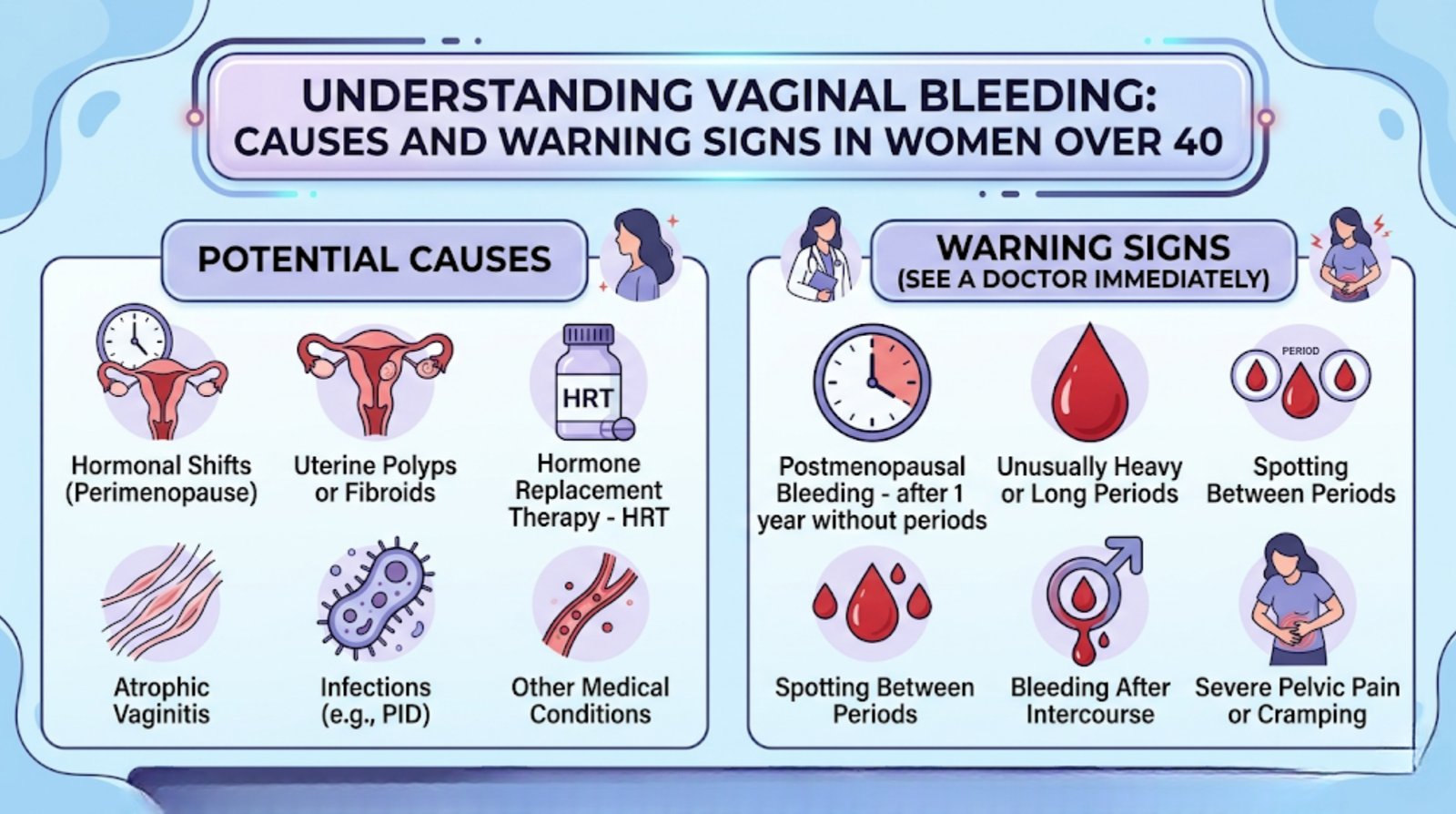
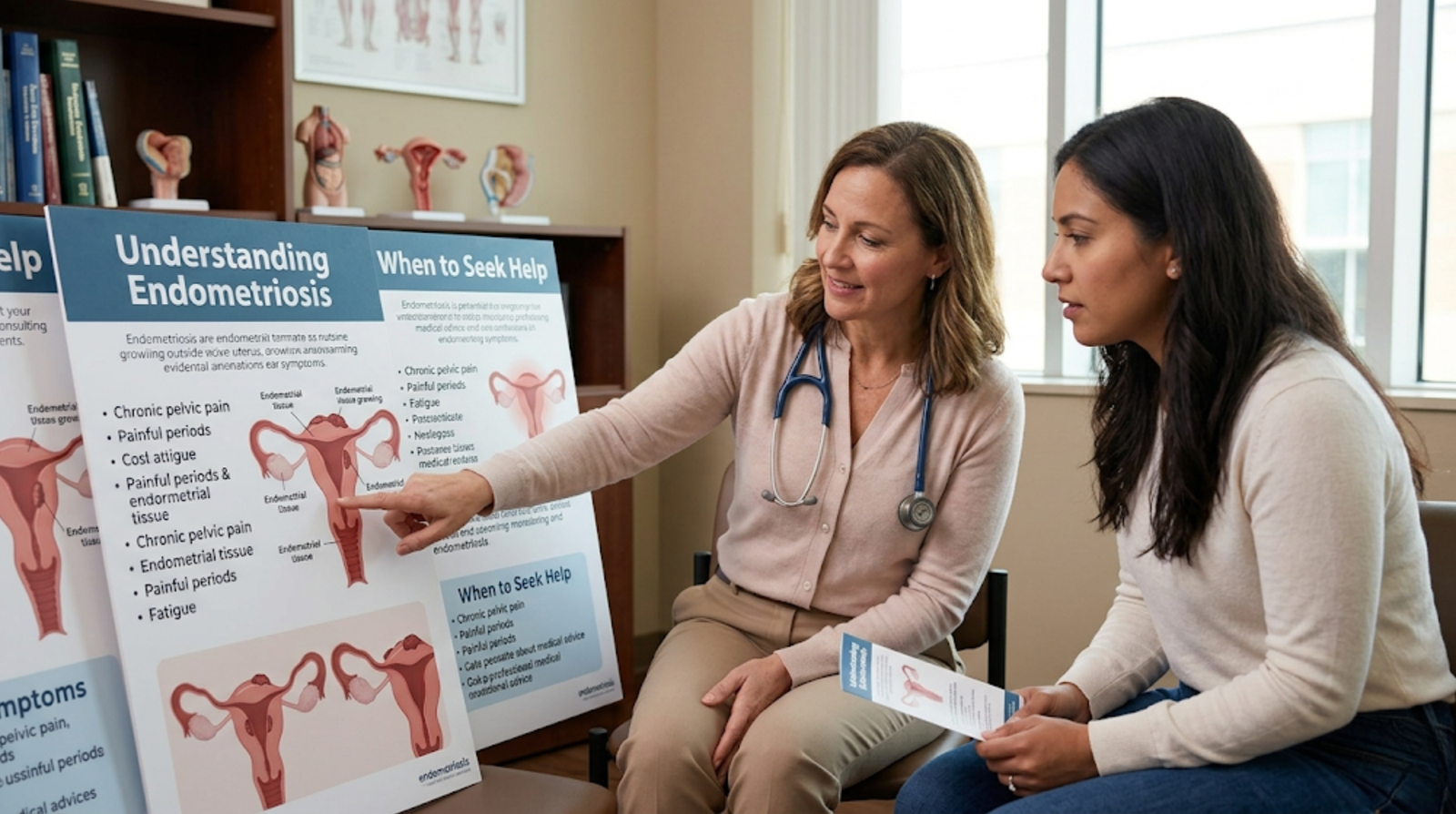
Common gynecological diseases include Polycystic Ovarian Syndrome (PCOS), endometriosis, fibroids, vaginitis, and menstrual disorders. PCOS leads to hormonal imbalances, irregular periods, and infertility. Endometriosis causes severe pelvic pain and fertility issues due to tissue growing outside the uterus. Fibroids are non-cancerous growths in the uterus that can lead to heavy bleeding and discomfort. Vaginitis results from infections or hormonal changes, causing itching and abnormal discharge. Menstrual disorders, such as dysmenorrhea (painful periods) and menorrhagia (heavy bleeding), affect many women.

Treatment options vary based on the condition. PCOS is managed with lifestyle changes, medications, and hormonal therapy. Endometriosis may require pain management, hormonal treatments, or surgery. Fibroids can be treated with medication, minimally invasive procedures, or surgery. Vaginitis is addressed with antibiotics or antifungal medications. Menstrual disorders are treated with hormonal therapy, pain relief medications, or surgical interventions.

If you’re looking for gynecological care in Faridabad, you might consider consulting specialists at om hospital Faridabad, which offer comprehensive obstetric and gynecological services. Would you like help finding a specific doctor or hospital for your needs?

Common gynaecological problems in India

page banner

Gynaecological problems are prevalent among women in India, often affecting their reproductive health and overall well-being. Some of the most common issues include Polycystic Ovarian Syndrome (PCOS), vaginitis, endometriosis, fibroids, and menstrual disorders. PCOS is a hormonal disorder that leads to irregular periods, excessive hair growth, acne, and weight gain. It is one of the leading causes of infertility among women and is often linked to genetic and lifestyle factors.

Vaginitis, an inflammation of the vagina, is caused by bacterial or fungal infections, sexually transmitted infections (STIs), or hormonal imbalances. Symptoms include itching, burning, and abnormal discharge, which can significantly impact a woman's quality of life. Endometriosis occurs when tissue similar to the uterine lining grows outside the uterus, leading to severe pain, heavy periods, and fertility issues. It is often misdiagnosed or overlooked, delaying treatment.

Fibroids are non-cancerous growths in the uterus that can cause heavy menstrual bleeding, pelvic pain, and complications during pregnancy. While some women experience no symptoms, others may require medical intervention.

Menstrual disorders, including dysmenorrhea (painful periods), menorrhagia (heavy bleeding), and amenorrhea (absence of periods), are common concerns. These conditions can stem from hormonal imbalances, stress, or underlying health issues.

Despite the prevalence of these conditions, many women in India hesitate to seek medical help due to social stigma, lack of awareness, and limited access to healthcare. Early diagnosis and proper treatment can significantly improve reproductive health and overall well-being. Raising awareness and encouraging regular gynaecological check-ups are crucial steps toward addressing these issues effectively.

+91-9667931822