
Pregnancy

Elder People Advice in Pregnancy: Which Traditional Tips Should You Follow?

Elderly Advice During Pregnancy

Pregnancy often comes with more than doctor appointments, scans, and vitamins. It also comes with plenty of advice from parents, grandparents, relatives, neighbours, and well-meaning friends.

Some of that advice can be comforting and genuinely useful. After all, older family members have years of experience and often share their advice because they care deeply about the mother and baby.

But here is the important part: not every traditional pregnancy tip is medically appropriate for every woman. Pregnancy changes the body’s nutritional, hormonal, and physical needs, so advice that worked for someone decades ago may not always be suitable today.

The best approach isn’t to dismiss elderly people’s advice. Instead, respect the experience, understand the reason behind the advice, and check anything uncertain with your obstetrician.

 At Om Global Hospital, Faridabad, Dr. Deepa Aggarwal believes pregnancy care should combine medical knowledge with compassionate support for the whole family.

Why Do Elder People Give So Much Pregnancy Advice?

Older family members often speak from personal experience. They may remember what helped them during pregnancy or what their mothers taught them.

However, pregnancy care has changed significantly with better understanding of nutrition, infections, medicines, fetal development, ultrasound monitoring, and pregnancy complications.

Think of traditional advice like an old family recipe. It may have worked beautifully for one person, but you still need to check the ingredients before serving it to someone with different dietary needs.

What is helpful about traditional pregnancy advice?

  • Emotional support: Reassurance from family can make pregnancy feel less overwhelming.
  • Practical experience: Older relatives may share useful tips about rest, household routines, and preparing for the baby.
  • Family connection: Including elders can help create a supportive environment.
  • Early awareness: Experienced family members may notice when a pregnant woman looks unusually tired or uncomfortable and encourage her to seek help.

What needs a medical check?

Advice involving medicines, herbal preparations, fasting, restrictive diets, supplements, home remedies, or treatment of pregnancy symptoms should be discussed with a qualified healthcare professional before following it.

Common Elderly Pregnancy Advice: What Should You Know?

“You need to eat for two.”

You don’t literally need to eat twice as much during pregnancy. Pregnancy requires better nutrition, not simply double the quantity of food.

A balanced diet generally includes vegetables, fruits, whole grains, protein sources, dairy or suitable alternatives, and adequate fluids. Your nutritional requirements also change as pregnancy progresses.

If you are unsure about your diet, ask your obstetrician or a qualified dietitian rather than following a restrictive or excessive eating plan.

“Don’t exercise during pregnancy.”

This is another common belief that needs context.

Many healthy pregnancies can include appropriate physical activity, but the type and amount of exercise should depend on the mother’s health, pregnancy stage, and any complications.

Walking and pregnancy-safe exercises may be suitable for many women, while high-impact activities or certain exercises may need to be avoided.

Always ask your doctor before starting a new exercise routine during pregnancy.

“A particular food will guarantee a normal delivery.”

No single food can guarantee a vaginal delivery or prevent a Cesarean section.

A healthy pregnancy depends on many factors, including maternal health, fetal position, placental conditions, pregnancy complications, labour progress, and the baby’s wellbeing.

Foods can support good nutrition, but they cannot control every aspect of childbirth.

“Don’t take medicines prescribed by the doctor because medicines can harm the baby.”

This advice may sound protective, but stopping prescribed medicine without medical guidance can also be risky.

Never stop a prescribed medicine during pregnancy without speaking to your doctor first.

Some medicines are avoided during pregnancy, while others are considered appropriate when the benefits outweigh potential risks. Your doctor can determine what is suitable for you.

“Home remedies are always safer.”

Natural does not automatically mean pregnancy-safe.

Herbal mixtures, concentrated extracts, supplements, and traditional remedies can interact with medicines or have effects that are not obvious.

If your family recommends a particular remedy for nausea, acidity, swelling, pain, cough, constipation, or another pregnancy symptom, tell your doctor before trying it.

How Can Families Balance Tradition and Modern Pregnancy Care?

The answer is simple: don’t make it a competition between elders and doctors.

Grandparents and older family members can provide emotional and practical support, while the obstetrician provides evidence-based medical guidance.

Try this approach:

  • Listen to the advice without immediately rejecting it.
  • Ask what the advice is intended to achieve.
  • Check whether it is safe for your specific pregnancy.
  • Follow your doctor’s recommendations for medicines, supplements, tests, scans, and warning signs.
  • Keep family members involved in pregnancy milestones where appropriate.
  • Avoid arguments about “old ways versus new ways.”

This creates a healthier environment for everyone.

What Pregnancy Advice Should Never Be Ignored?

Some symptoms should not be managed simply with home remedies or family advice.

Contact your healthcare provider promptly if you experience heavy vaginal bleeding, severe abdominal pain, severe headache or vision changes, significant swelling, leaking fluid, fever, breathing difficulty, or reduced fetal movements, depending on your stage of pregnancy.

If something suddenly feels seriously wrong, seek urgent medical care rather than waiting to see whether a home remedy works.

Meet the Expert: Dr. Deepa Aggarwal

Dr. Deepa Aggarwal, Obstetrics & Gynaecology, is associated with Om Global Hospital, Faridabad.

Her approach to pregnancy care focuses on helping mothers and families understand what is happening throughout pregnancy rather than simply giving instructions.

Pregnancy can be an emotional time, especially when a woman receives conflicting advice from different people. A supportive consultation can help separate harmless traditional practices from advice that could potentially interfere with safe pregnancy care.

At every stage, the goal is the same: a healthier mother, appropriate monitoring, and the safest possible care for the baby.

Patient Voice

Important: The following are sample testimonial placeholders for website content and should be replaced with verified patient reviews before publication.

“My family had many different opinions about what I should eat and what I should avoid. The doctor explained everything calmly and helped us understand which advice was actually suitable for my pregnancy.”

“I was getting advice from my mother, grandmother, and relatives, and honestly, I was confused. The consultation helped me understand what I should follow and when I needed to call the doctor.”

“What I liked most was that our family’s concerns were not dismissed. Everything was explained respectfully, which made the pregnancy journey much less stressful.”

The Fix: A Simple Pregnancy Advice Check

When an elder gives you pregnancy advice, use this simple three-step approach:

StepWhat to DoWhy It Matters
1. ListenUnderstand the advice and why it is being suggestedKeeps family communication positive
2. CheckDiscuss uncertain advice with your obstetricianPregnancy needs vary from woman to woman
3. FollowChoose medically appropriate recommendationsProtects maternal and fetal wellbeing

A simple rule to remember

Food advice can usually be discussed. Medicine, supplements, herbal remedies, fasting, and treatment advice should be medically checked first.

Why Personalized Pregnancy Care Matters

Every pregnancy is different.

A healthy first-time mother may have completely different needs from a woman with diabetes, high blood pressure, thyroid problems, anemia, previous pregnancy complications, or a multiple pregnancy.

That is why advice based purely on someone else’s pregnancy may not apply to you.

Regular antenatal visits allow your doctor to monitor your health, your baby’s development, and any potential concerns. They also give you a safe place to ask questions about the advice you hear at home.

You don’t have to choose between family wisdom and medical science. The smartest approach is to keep the emotional support that family provides while using qualified medical guidance to make healthcare decisions.

Frequently Asked Questions

Can I follow pregnancy advice given by my grandmother?

You can consider traditional advice, but you should medically check anything that affects your diet, medicines, supplements, or treatment. Grandparents may have valuable experience, but every pregnancy has different medical needs.

Are all traditional pregnancy foods safe?

No, not every traditional food or preparation is automatically safe during pregnancy. Ingredients, preparation methods, allergies, food hygiene, and your individual health all matter.

Can I use herbal remedies during pregnancy?

You should ask your doctor before using herbal remedies during pregnancy. Some herbs may have active compounds that can affect the body or interact with medicines.

Should I stop my prescribed medicine because an elder says it is unsafe?

No, never stop prescribed medicine without speaking to your doctor first. Your doctor can explain why the medicine was prescribed and whether it needs to be continued, changed, or stopped.

Is exercise dangerous during pregnancy?

Appropriate physical activity can be safe for many pregnant women, but your doctor should guide you based on your individual pregnancy. Certain complications or medical conditions may require activity restrictions.

What should I do if my family and doctor give me different advice?

Follow your healthcare provider’s medical recommendation and ask questions if you are unsure. You can respectfully explain the medical reason to your family so everyone understands that the decision is based on your specific pregnancy.

Next Steps: Get Pregnancy Advice You Can Trust

Pregnancy should feel supported, not confusing.

If you are receiving conflicting advice from family members or simply want to understand what is safe for you and your baby, speaking with an experienced Obstetrics & Gynaecology specialist can help you make informed decisions with confidence.

Book an appointment with Dr. Deepa Aggarwal

Visit Om Global Hospital

Om Global Hospital
Plot No. 400, Opp. Huda Market, Sector 7, Faridabad, Haryana 121006

Email: omglobalhospital1@gmail.com
Phone: +91 96679 31822


When it comes to pregnancy, family advice can offer warmth, experience, and reassurance. But when a decision affects your health or your baby’s wellbeing, let medically informed guidance make the final call.

Don’t Ignore These During Your 9 Months of Pregnancy: A Complete Guide for a Healthy Mom & Baby

Prenatal care

Don’t Ignore These During Your 9 Months of Pregnancy

Pregnancy is one of the most beautiful journeys in life. Every week brings new changes—for both you and your growing baby. While it’s exciting to prepare for your little one’s arrival, it’s equally important not to ignore your health throughout these nine months.

Many pregnancy complications can be prevented or managed simply by recognizing symptoms early, attending regular checkups, eating well, and following your doctor’s advice.

Here’s everything every expecting mother should know.

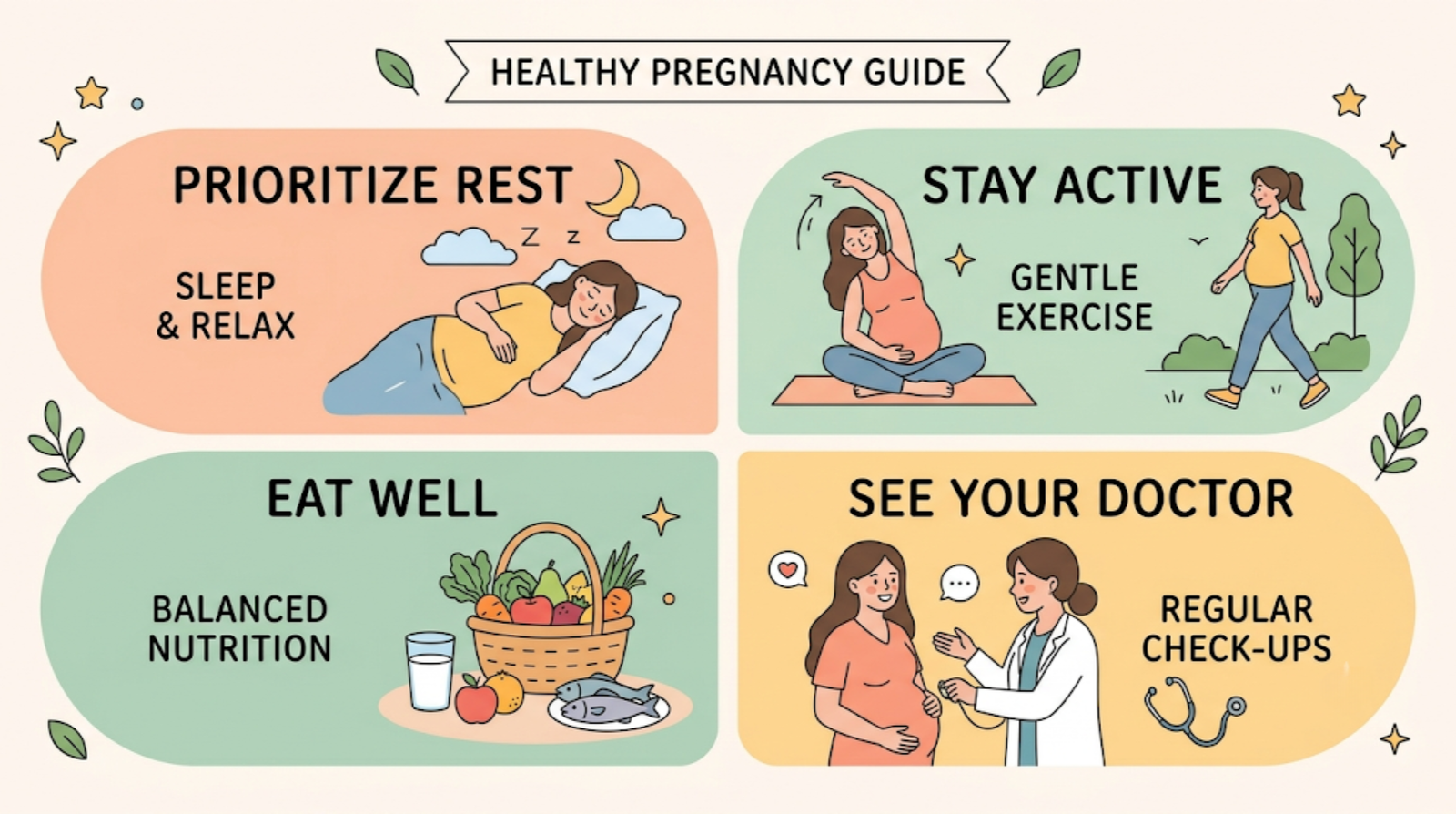
1. Never Skip Your Pregnancy Checkups

One of the biggest mistakes many mothers make is missing prenatal appointments because they “feel fine.”

Regular checkups help your doctor:

  • Monitor your baby’s growth
  • Check your blood pressure
  • Screen for gestational diabetes
  • Monitor baby’s heartbeat
  • Detect complications early
  • Track your weight gain

Even if your pregnancy feels normal, routine visits are essential for both mother and baby.

2. Don’t Ignore Unusual Bleeding

A few drops of spotting can sometimes be normal, but heavy bleeding is never something to ignore.

Seek immediate medical care if you notice:

  • Heavy bleeding
  • Large blood clots
  • Severe abdominal pain
  • Continuous spotting with cramps

Early diagnosis can protect both mother and baby.

3. Eat Nutritious Food Every Day

Your baby depends entirely on you for nutrition.

Include:

🥗 Green leafy vegetables

🍎 Fresh fruits

🥛 Milk and dairy products

🥚 Protein-rich foods

🌾 Whole grains

🥜 Dry fruits (in moderation)

Drink plenty of water to stay hydrated.

Avoid:

  • Raw meat
  • Unpasteurized dairy
  • Excess junk food
  • Alcohol
  • Smoking
  • Too much caffeine

A balanced diet supports healthy fetal growth and helps reduce pregnancy complications.

4. Never Miss Your Prenatal Vitamins

Food alone may not provide all the nutrients your body needs.

Your doctor may recommend:

  • Folic Acid
  • Iron
  • Calcium
  • Vitamin D
  • Vitamin B12 (if required)

Take supplements exactly as prescribed.

5. Pay Attention to Baby Movements

As your pregnancy progresses, your baby’s kicks become an important sign of well-being.

Contact your doctor immediately if:

  • Baby movements suddenly reduce
  • You don’t feel movements for several hours
  • The pattern changes significantly

Never wait until the next day if something feels unusual.

6. Don’t Ignore High Blood Pressure Symptoms

Pregnancy-induced hypertension can become dangerous if left untreated.

Watch for:

  • Severe headaches
  • Blurred vision
  • Swelling of hands and face
  • Sudden weight gain
  • Chest pain

Early treatment helps prevent serious complications.

7. Stay Active (Unless Your Doctor Advises Otherwise)

Light physical activity helps:

  • Improve circulation
  • Reduce back pain
  • Improve sleep
  • Control weight gain
  • Prepare your body for labor

Safe activities include:

  • Walking
  • Prenatal yoga
  • Stretching
  • Breathing exercises

Always consult your gynecologist before starting any exercise routine.

8. Get Enough Sleep

Pregnancy can make sleeping difficult, especially during the later months.

Try these tips:

  • Sleep on your left side
  • Use pillows for support
  • Avoid heavy meals before bedtime
  • Maintain a regular sleep schedule

Good sleep helps both your body and your baby’s development.

9. Don’t Ignore Signs of Infection

Call your doctor if you experience:

  • Burning while urinating
  • Fever
  • Vaginal discharge with a bad smell
  • Severe itching
  • Persistent cough

Treating infections early reduces risks during pregnancy.

10. Manage Stress

Pregnancy affects both physical and emotional health.

Simple ways to relax:

  • Deep breathing
  • Meditation
  • Listening to music
  • Reading
  • Talking to family
  • Spending time outdoors

A calm mind contributes to a healthier pregnancy.

11. Know the Emergency Warning Signs

Visit the hospital immediately if you experience:

  • Heavy vaginal bleeding
  • Severe abdominal pain
  • High fever
  • Leaking of fluid
  • Convulsions
  • Difficulty breathing
  • Severe headache with blurred vision
  • Baby stops moving

Never ignore these symptoms.

12. Trust Medical Advice Over Myths

Pregnancy comes with countless opinions from friends, relatives, and social media.

Always rely on qualified healthcare professionals for advice regarding:

  • Diet
  • Medicines
  • Exercise
  • Supplements
  • Delivery planning

Every pregnancy is different, and personalized medical guidance is essential.

Healthy Pregnancy Checklist

✔ Attend every prenatal appointment

✔ Eat a balanced diet

✔ Stay hydrated

✔ Take prescribed supplements

✔ Exercise safely

✔ Sleep well

✔ Monitor baby movements

✔ Manage stress

✔ Avoid smoking and alcohol

✔ Contact your doctor if anything feels unusual

Frequently Asked Questions (FAQs)

1. What should I never ignore during pregnancy?

Never ignore heavy bleeding, severe abdominal pain, reduced baby movements, high fever, severe headaches, blurred vision, leaking of fluid, or difficulty breathing. These symptoms require immediate medical attention.

2. How often should I visit my doctor during pregnancy?

Most pregnancies require regular prenatal visits throughout all three trimesters. Your doctor will recommend a schedule based on your pregnancy and health condition.

3. Is walking safe during pregnancy?

Yes. Walking is generally one of the safest exercises during pregnancy unless your doctor advises against it due to medical reasons.

4. How much water should a pregnant woman drink?

Most pregnant women should aim for around 2–3 liters of fluids daily, though individual needs vary depending on the weather and overall health.

5. When should I worry about baby movements?

If your baby’s movements suddenly decrease or stop, contact your doctor immediately. Do not wait for your next appointment.

6. Why are prenatal vitamins important?

Prenatal vitamins provide essential nutrients such as folic acid, iron, calcium, and vitamin D that support your baby’s development and your overall health.

7. Can stress affect pregnancy?

Yes. Long-term stress may affect sleep, blood pressure, and overall well-being. Relaxation techniques and emotional support can help maintain a healthier pregnancy.

Pregnancy is filled with exciting milestones, but it’s also a time to stay alert to your body’s signals. Regular checkups, healthy eating, proper rest, safe exercise, and timely medical care can make a big difference in ensuring a healthy pregnancy for both you and your baby.

If something doesn’t feel right, don’t ignore it. It’s always better to seek medical advice early than to wait.

Book Your Pregnancy Consultation at Om Global Hospital

At Om Global Hospital, our experienced gynecologists provide comprehensive pregnancy care—from your first prenatal visit to delivery and postnatal support. We focus on personalized care, advanced diagnostics, and compassionate guidance to help you enjoy a safe and healthy pregnancy.

Our Pregnancy Services Include:

  • Pregnancy consultations
  • Routine prenatal checkups
  • Ultrasound services
  • High-risk pregnancy management
  • Nutritional counseling
  • Normal and Cesarean delivery
  • Postnatal care

Take the first step toward a healthy pregnancy. Book your appointment with Om Global Hospital today and let our expert team support you through every stage of your motherhood journey.

+91-9667931822