
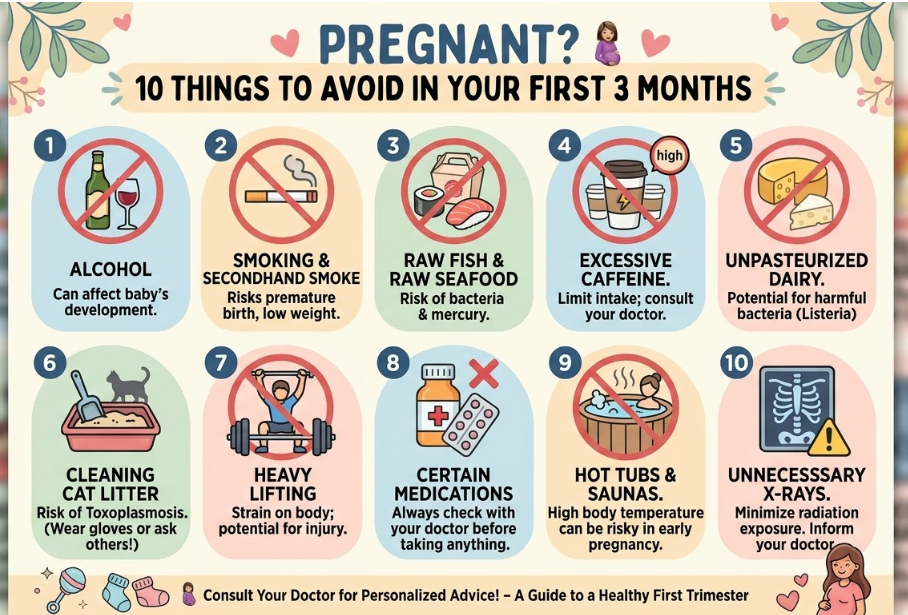
A Complete First Trimester Safety Guide for Expecting Mothers
The first three months of pregnancy—also known as the first trimester—are one of the most crucial stages in a baby’s development. During this time, the baby’s organs, brain, and nervous system begin to form, making it extremely important for expecting mothers to take proper precautions.
In this guide, Dr. Praveen Chopra, Gynaecologist at Om Global Hospital, explains the most important things pregnant women should avoid during the first trimester to ensure a healthy pregnancy for both mother and baby.
Why the First 3 Months of Pregnancy Are So Important
The first trimester (weeks 1–12) is when the fetus develops rapidly. The placenta begins forming, the baby’s heartbeat starts, and major organs begin to develop.
Because the baby is still very delicate during this stage, external factors such as diet, lifestyle habits, medications, and chemicals can affect development. That’s why doctors recommend extra care during these initial months.
Taking the right precautions can significantly reduce the risk of complications such as miscarriage, developmental issues, or pregnancy complications.
10 Things to Avoid During the First Trimester
1. Excessive Caffeine
While a small amount of caffeine may be safe, too much caffeine can increase the risk of miscarriage and low birth weight.
Sources of caffeine include:
- Coffee
- Tea
- Energy drinks
- Chocolate
- Soft drinks
Doctors usually recommend limiting caffeine to 200 mg per day during pregnancy.
2. Alcohol Consumption
Alcohol can pass directly from the mother to the baby through the placenta and may lead to Fetal Alcohol Syndrome (FAS), which can cause developmental delays and birth defects.
The safest option is to completely avoid alcohol during pregnancy.
3. Certain Fruits in Excess (Papaya & Pineapple)
Some fruits, especially raw papaya and excessive pineapple, are often advised to be avoided during early pregnancy.
- Raw papaya contains latex which may trigger uterine contractions.
- Pineapple contains bromelain that may soften the cervix if consumed in large quantities.
Moderation and consultation with your doctor are always recommended.
4. Raw or Unwashed Vegetables
Raw vegetables can sometimes carry bacteria such as Listeria or Toxoplasma, which can lead to infections harmful during pregnancy.
To stay safe:
- Wash vegetables thoroughly
- Avoid raw salads from outside
- Prefer freshly cooked meals
5. Smoking and Tobacco
Smoking during pregnancy reduces oxygen supply to the baby and increases risks such as:
- Premature birth
- Low birth weight
- Miscarriage
- Developmental problems
Even second-hand smoke can be harmful for pregnant women.
6. Certain Medications Without Doctor Approval
Many over-the-counter medicines may not be safe during pregnancy.
Always consult your doctor before taking:
- Painkillers
- Antibiotics
- Herbal supplements
- Cold or flu medications
Never self-medicate during pregnancy.
7. Hair Dye and Chemical Treatments
Many women wonder if hair coloring or chemical treatments are safe during pregnancy.
While occasional use may be safe after the first trimester, doctors often recommend avoiding strong chemical treatments during the first 3 months because this is the most sensitive developmental stage.
8. Harsh Skincare Products
Some skincare ingredients should be avoided during pregnancy, including:
- Retinoids
- High-dose salicylic acid
- Certain chemical peels
Always check ingredients or consult a doctor before using new skincare products during pregnancy.
9. Heavy Physical Work or Intense Exercise
Physical activity is healthy during pregnancy, but excessive or high-impact exercise can cause strain during early pregnancy.
Avoid:
- Heavy lifting
- High-intensity workouts
- Activities with risk of falling
Instead, opt for light exercise, walking, or prenatal yoga after consulting your doctor.
10. Intercourse Without Medical Advice
Sex during pregnancy is generally safe, but some women may need restrictions depending on their medical condition.
Your doctor may advise avoiding intercourse if there is:
- Risk of miscarriage
- Placenta-related complications
- Vaginal bleeding
- Previous pregnancy complications
Always consult your gynaecologist for personalized advice.
Tips for a Healthy First Trimester
Along with avoiding certain things, expecting mothers should focus on healthy habits such as:
✔ Regular prenatal check-ups
✔ Taking folic acid supplements
✔ Eating a balanced and nutritious diet
✔ Staying hydrated
✔ Getting enough rest and sleep
✔ Managing stress
These simple steps can make a significant difference in ensuring a healthy pregnancy journey.
When Should You Visit a Doctor?
You should immediately consult a doctor if you experience:
- Severe abdominal pain
- Heavy bleeding
- Persistent vomiting
- High fever
- Sudden swelling
Early medical care can prevent complications and ensure both mother and baby remain healthy.
Frequently Asked Questions (FAQs)
1. Can I drink coffee during the first trimester?
Yes, but in moderation. Doctors recommend limiting caffeine intake to about 200 mg per day, which is roughly one cup of coffee.
2. Is papaya completely unsafe during pregnancy?
Raw papaya should be avoided, especially during early pregnancy. However, ripe papaya in small amounts may be safe, but always consult your doctor.
3. Can I exercise during the first trimester?
Yes, light exercises such as walking, stretching, and prenatal yoga are generally safe, but always check with your doctor first.
4. Is it safe to use skincare products during pregnancy?
Some skincare ingredients may not be safe. Avoid products containing retinoids and strong chemical treatments during pregnancy.
5. When should I have my first pregnancy check-up?
Most doctors recommend the first prenatal visit around 6–8 weeks of pregnancy to confirm the pregnancy and check the baby’s development.
Start Your Pregnancy Journey with Expert Care
Pregnancy is a beautiful journey, but it also requires proper medical guidance and care, especially during the first trimester.
At Om Global Hospital, our experienced gynaecologists provide complete prenatal care, advanced diagnostics, and personalized pregnancy guidance to ensure the health and safety of both mother and baby.
📍 Visit: Om Global Hospital
📞 Book an Appointment Today for expert pregnancy care and consultation.
Your health and your baby’s future start with the right care. 💙