Pregnancy is a beautiful journey, but as your baby grows, getting a good night’s sleep can become difficult. Many women experience back pain, frequent urination, leg cramps, heartburn, and overall discomfort while trying to rest. The good news is that choosing the right sleeping position and making a few simple lifestyle changes can help you sleep better and support your baby’s health.
At Om Global Hospital, we believe that quality sleep is an important part of a healthy pregnancy. In this guide, we will explain the best sleeping positions during pregnancy, what to avoid, and practical tips to help you feel more comfortable.
Why Sleep is Important During Pregnancy
Sleep helps your body recover and supports your baby’s growth and development. During pregnancy, your body works harder than usual, which makes proper rest even more important.
Getting enough sleep helps with:
- Blood circulation
- Hormonal balance
- Reducing stress and fatigue
- Supporting immunity
- Lowering the risk of pregnancy complications
Lack of sleep can leave you feeling uncomfortable, irritable, and exhausted, especially during the later stages of pregnancy.
The Best Way to Sleep During Pregnancy
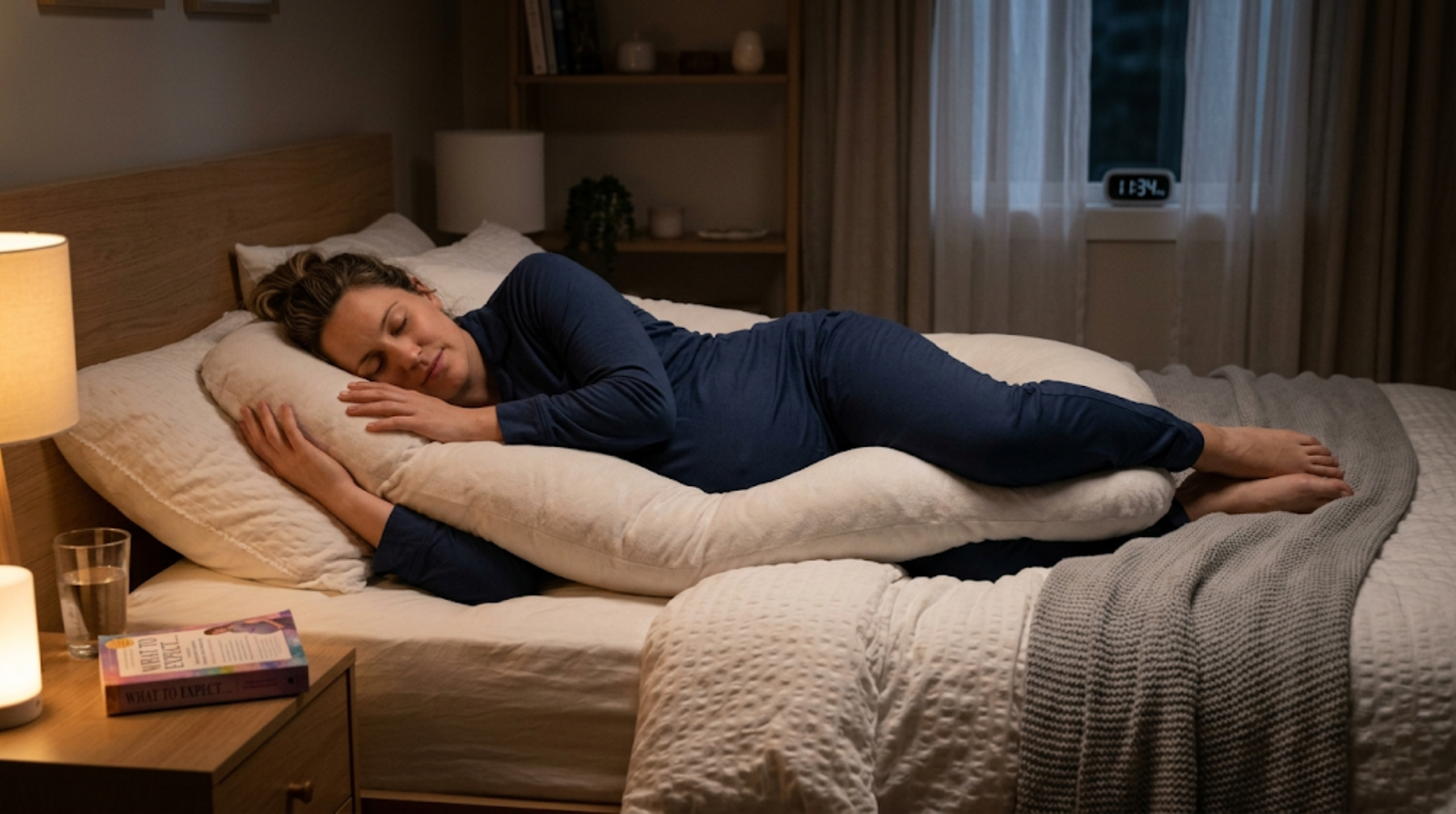
Sleep on Your Side
Doctors usually recommend that pregnant women sleep on their side after the first trimester.
Why Sleeping on Your Side is a Good Idea
Sleeping on your side helps with:
- Improving blood flow to the baby
- Reducing pressure on blood vessels
- Supporting kidney function
- Reducing swelling in the feet and legs
- Delivering oxygen and nutrients to the placenta
Why the Left Side is the Best
Sleeping on your left side is often considered the best sleeping position during pregnancy because it improves circulation and reduces pressure on the liver.
Benefits of Sleeping on Your Left Side
- Better blood flow to the uterus
- Improved kidney function
- Reduced swelling
- Better nutrient supply to the baby
It is usually okay to sleep on your right side occasionally. The most important thing is to avoid sleeping on your back for long periods.
Sleeping Positions to Avoid During Pregnancy
Do Not Sleep on Your Back
After the first few months of pregnancy, sleeping on your back can put pressure on important blood vessels, including the inferior vena cava.
This may cause:
- Dizziness
- Back pain
- Poor circulation
- Shortness of breath
- Low blood pressure
Do Not Sleep on Your Stomach
As your belly grows, sleeping on your stomach becomes uncomfortable and impractical. It may also strain your muscles and spine.
Tips for Sleeping Comfortably During Pregnancy
Use Pregnancy Pillows
Pregnancy pillows provide support for your back, belly, and knees. You can place a pillow:
- Between your knees
- Under your belly
- Behind your back
This helps reduce strain and improves spinal alignment.
Keep Your Upper Body Elevated
If you experience heartburn or acidity, try sleeping with your head slightly elevated using extra pillows.
Stay Hydrated — But Be Smart About It
Drink plenty of water during the day, but avoid drinking too much right before bedtime to reduce nighttime bathroom trips.
Follow a Relaxing Bedtime Routine
Try these relaxing habits before sleeping:
- Take a warm shower
- Practice deep breathing
- Listen to calming music
- Avoid screens before bedtime
Wear Comfortable Clothes
Loose, breathable clothing helps maintain a comfortable body temperature and improves sleep quality.
Common Sleep Problems During Pregnancy
Leg Cramps
Stretch your legs gently before bed and stay hydrated throughout the day.
Frequent Urination
This is common during pregnancy because of hormonal changes and increased pressure on the bladder.
Back Pain
Using supportive pillows and maintaining proper posture can help reduce discomfort.
Trouble Sleeping
Stress, anxiety, hormonal changes, and physical discomfort can affect sleep during pregnancy. Relaxation exercises and maintaining a regular bedtime routine may help.
When to Talk to Your Doctor
Consult your doctor if you experience:
- Severe trouble sleeping
- Difficulty breathing during sleep
- Loud snoring
- Persistent pain
- Extreme fatigue
- Symptoms of sleep apnea
Proper medical care ensures both you and your baby remain healthy throughout pregnancy.
Frequently Asked Questions
1. What is the best sleeping position during pregnancy?
Sleeping on your side, especially the left side, is considered the safest and most comfortable sleeping position during pregnancy.
2. Is it bad to sleep on my back while pregnant?
After the first trimester, sleeping on your back for long periods may reduce blood circulation and cause discomfort.
3. Can I sleep on my right side during pregnancy?
Yes, sleeping on your right side occasionally is generally safe. However, the left side is often recommended for better circulation.
4. How can I reduce back pain while sleeping during pregnancy?
Use pillows between your knees and under your belly to support your spine and reduce pressure on your back.
5. Do I need a pregnancy pillow?
No, pregnancy pillows are not mandatory, but many women find them helpful for improving comfort and sleep quality.
6. Why do pregnant women have trouble sleeping?
Hormonal changes, body discomfort, frequent urination, anxiety, and the baby’s growth can all contribute to sleep problems during pregnancy.
Getting enough rest during pregnancy is essential for both you and your baby. Choosing the right sleeping position, using supportive pillows, and following healthy bedtime habits can significantly improve your comfort and overall well-being.
Every pregnancy is unique, so listen to your body and speak with your healthcare provider if you experience serious sleep problems.
Need expert pregnancy care and guidance? Visit Om Global Hospital for trusted maternity care, prenatal consultations, and complete pregnancy support.
📞 Book your appointment today and let our experienced specialists help you enjoy a safer, healthier, and more comfortable pregnancy.