
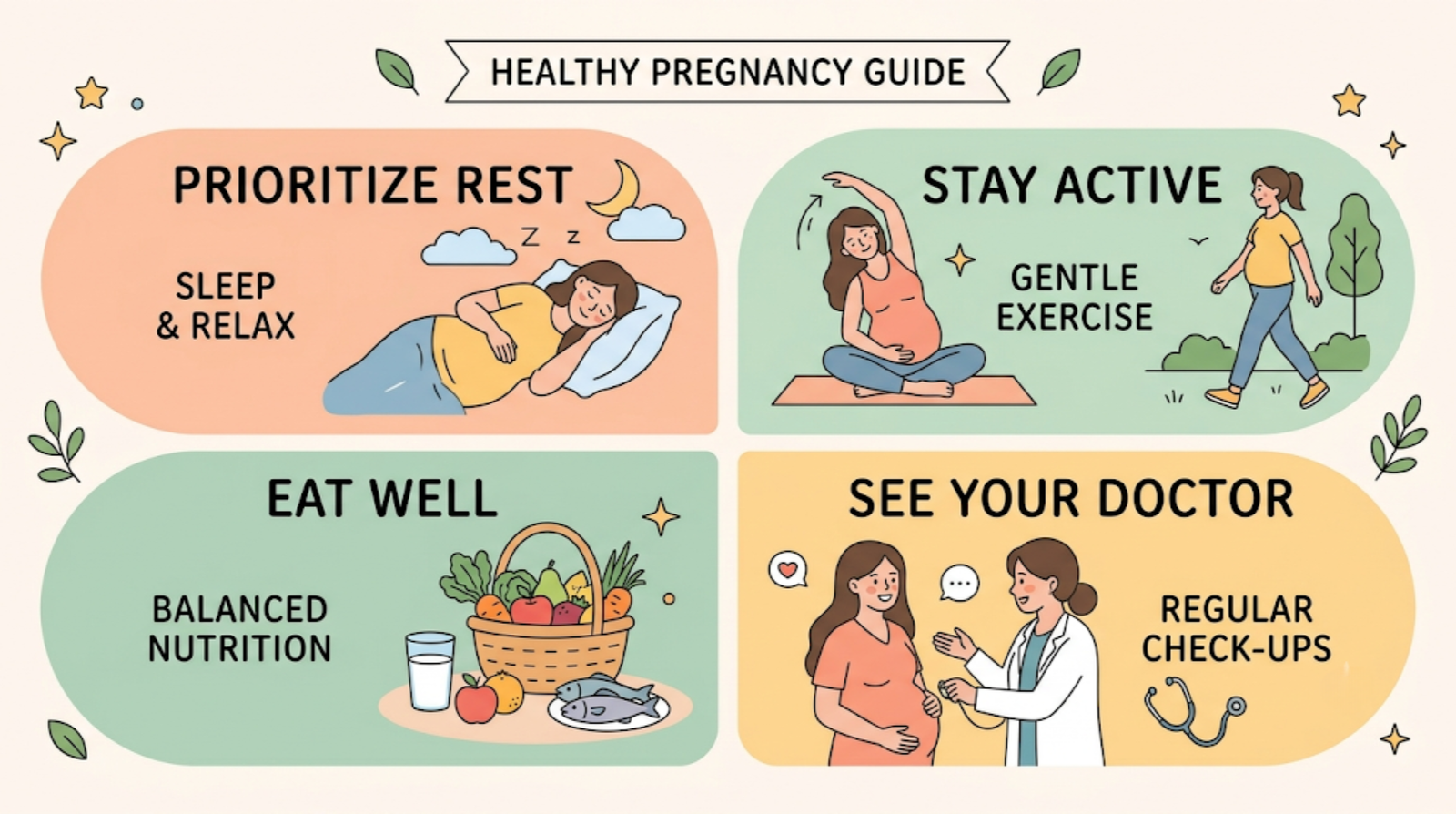
Don’t Ignore These During Your 9 Months of Pregnancy
Pregnancy is one of the most beautiful journeys in life. Every week brings new changes—for both you and your growing baby. While it’s exciting to prepare for your little one’s arrival, it’s equally important not to ignore your health throughout these nine months.
Many pregnancy complications can be prevented or managed simply by recognizing symptoms early, attending regular checkups, eating well, and following your doctor’s advice.
Here’s everything every expecting mother should know.
1. Never Skip Your Pregnancy Checkups
One of the biggest mistakes many mothers make is missing prenatal appointments because they “feel fine.”
Regular checkups help your doctor:
- Monitor your baby’s growth
- Check your blood pressure
- Screen for gestational diabetes
- Monitor baby’s heartbeat
- Detect complications early
- Track your weight gain
Even if your pregnancy feels normal, routine visits are essential for both mother and baby.
2. Don’t Ignore Unusual Bleeding
A few drops of spotting can sometimes be normal, but heavy bleeding is never something to ignore.
Seek immediate medical care if you notice:
- Heavy bleeding
- Large blood clots
- Severe abdominal pain
- Continuous spotting with cramps
Early diagnosis can protect both mother and baby.
3. Eat Nutritious Food Every Day
Your baby depends entirely on you for nutrition.
Include:
🥗 Green leafy vegetables
🍎 Fresh fruits
🥛 Milk and dairy products
🥚 Protein-rich foods
🌾 Whole grains
🥜 Dry fruits (in moderation)
Drink plenty of water to stay hydrated.
Avoid:
- Raw meat
- Unpasteurized dairy
- Excess junk food
- Alcohol
- Smoking
- Too much caffeine
A balanced diet supports healthy fetal growth and helps reduce pregnancy complications.
4. Never Miss Your Prenatal Vitamins
Food alone may not provide all the nutrients your body needs.
Your doctor may recommend:
- Folic Acid
- Iron
- Calcium
- Vitamin D
- Vitamin B12 (if required)
Take supplements exactly as prescribed.
5. Pay Attention to Baby Movements
As your pregnancy progresses, your baby’s kicks become an important sign of well-being.
Contact your doctor immediately if:
- Baby movements suddenly reduce
- You don’t feel movements for several hours
- The pattern changes significantly
Never wait until the next day if something feels unusual.
6. Don’t Ignore High Blood Pressure Symptoms
Pregnancy-induced hypertension can become dangerous if left untreated.
Watch for:
- Severe headaches
- Blurred vision
- Swelling of hands and face
- Sudden weight gain
- Chest pain
Early treatment helps prevent serious complications.
7. Stay Active (Unless Your Doctor Advises Otherwise)
Light physical activity helps:
- Improve circulation
- Reduce back pain
- Improve sleep
- Control weight gain
- Prepare your body for labor
Safe activities include:
- Walking
- Prenatal yoga
- Stretching
- Breathing exercises
Always consult your gynecologist before starting any exercise routine.
8. Get Enough Sleep
Pregnancy can make sleeping difficult, especially during the later months.
Try these tips:
- Sleep on your left side
- Use pillows for support
- Avoid heavy meals before bedtime
- Maintain a regular sleep schedule
Good sleep helps both your body and your baby’s development.
9. Don’t Ignore Signs of Infection
Call your doctor if you experience:
- Burning while urinating
- Fever
- Vaginal discharge with a bad smell
- Severe itching
- Persistent cough
Treating infections early reduces risks during pregnancy.
10. Manage Stress
Pregnancy affects both physical and emotional health.
Simple ways to relax:
- Deep breathing
- Meditation
- Listening to music
- Reading
- Talking to family
- Spending time outdoors
A calm mind contributes to a healthier pregnancy.
11. Know the Emergency Warning Signs
Visit the hospital immediately if you experience:
- Heavy vaginal bleeding
- Severe abdominal pain
- High fever
- Leaking of fluid
- Convulsions
- Difficulty breathing
- Severe headache with blurred vision
- Baby stops moving
12. Trust Medical Advice Over Myths
Pregnancy comes with countless opinions from friends, relatives, and social media.
Always rely on qualified healthcare professionals for advice regarding:
- Diet
- Medicines
- Exercise
- Supplements
- Delivery planning
Every pregnancy is different, and personalized medical guidance is essential.
Healthy Pregnancy Checklist
✔ Attend every prenatal appointment
✔ Eat a balanced diet
✔ Stay hydrated
✔ Take prescribed supplements
✔ Exercise safely
✔ Sleep well
✔ Monitor baby movements
✔ Manage stress
✔ Avoid smoking and alcohol
✔ Contact your doctor if anything feels unusual
Frequently Asked Questions (FAQs)
1. What should I never ignore during pregnancy?
Never ignore heavy bleeding, severe abdominal pain, reduced baby movements, high fever, severe headaches, blurred vision, leaking of fluid, or difficulty breathing. These symptoms require immediate medical attention.
2. How often should I visit my doctor during pregnancy?
Most pregnancies require regular prenatal visits throughout all three trimesters. Your doctor will recommend a schedule based on your pregnancy and health condition.
3. Is walking safe during pregnancy?
Yes. Walking is generally one of the safest exercises during pregnancy unless your doctor advises against it due to medical reasons.
4. How much water should a pregnant woman drink?
Most pregnant women should aim for around 2–3 liters of fluids daily, though individual needs vary depending on the weather and overall health.
5. When should I worry about baby movements?
If your baby’s movements suddenly decrease or stop, contact your doctor immediately. Do not wait for your next appointment.
6. Why are prenatal vitamins important?
Prenatal vitamins provide essential nutrients such as folic acid, iron, calcium, and vitamin D that support your baby’s development and your overall health.
7. Can stress affect pregnancy?
Yes. Long-term stress may affect sleep, blood pressure, and overall well-being. Relaxation techniques and emotional support can help maintain a healthier pregnancy.
Pregnancy is filled with exciting milestones, but it’s also a time to stay alert to your body’s signals. Regular checkups, healthy eating, proper rest, safe exercise, and timely medical care can make a big difference in ensuring a healthy pregnancy for both you and your baby.
If something doesn’t feel right, don’t ignore it. It’s always better to seek medical advice early than to wait.
Book Your Pregnancy Consultation at Om Global Hospital
At Om Global Hospital, our experienced gynecologists provide comprehensive pregnancy care—from your first prenatal visit to delivery and postnatal support. We focus on personalized care, advanced diagnostics, and compassionate guidance to help you enjoy a safe and healthy pregnancy.
Our Pregnancy Services Include:
- Pregnancy consultations
- Routine prenatal checkups
- Ultrasound services
- High-risk pregnancy management
- Nutritional counseling
- Normal and Cesarean delivery
- Postnatal care
Take the first step toward a healthy pregnancy. Book your appointment with Om Global Hospital today and let our expert team support you through every stage of your motherhood journey.