
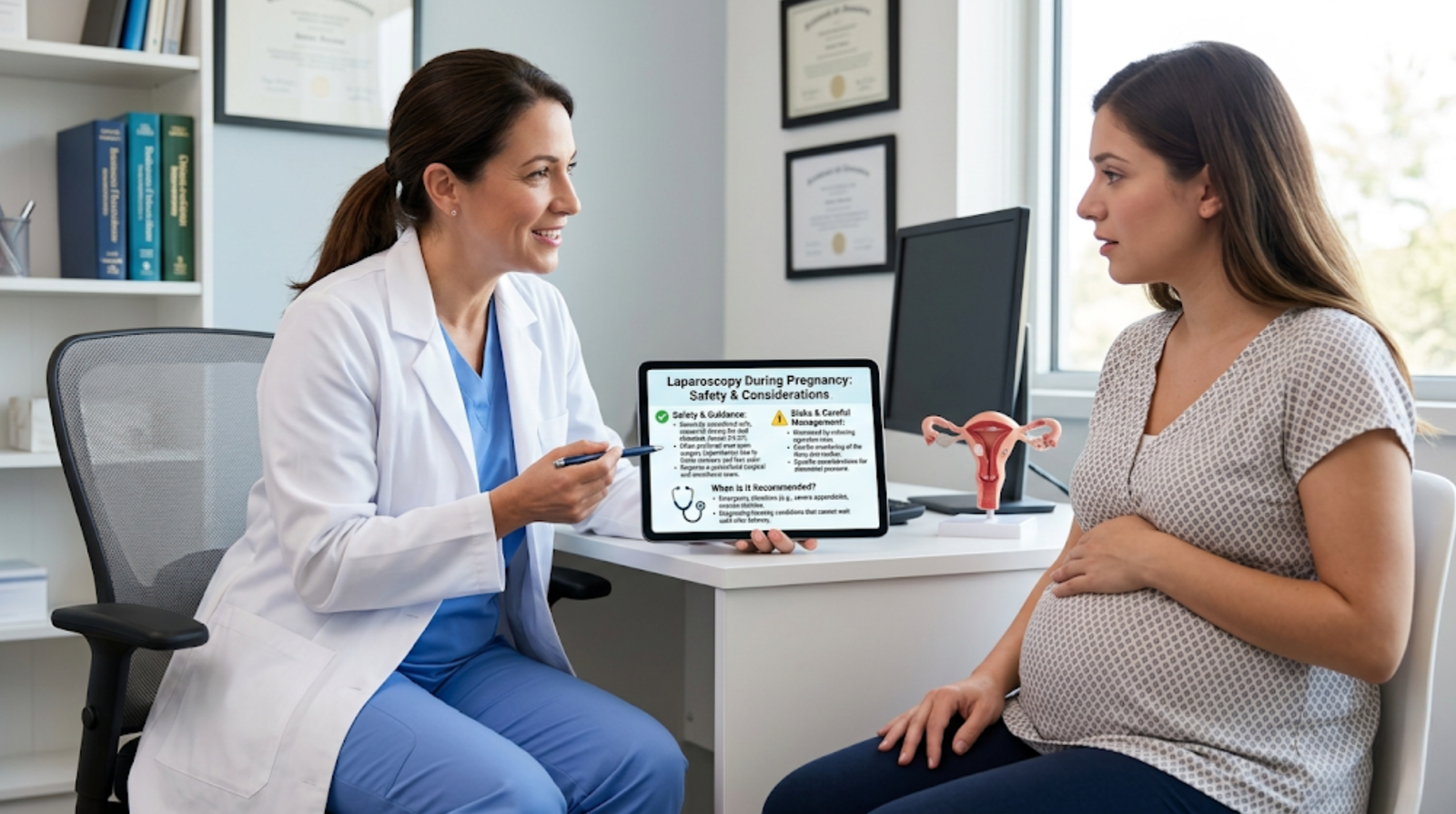
Pregnancy is an exciting journey, but sometimes unexpected medical conditions arise that require surgical treatment. One question many expectant mothers ask is: Can you undergo a laparoscopy while pregnant?
The short answer is yes. In many cases, laparoscopy can be performed safely during pregnancy when medically necessary. Modern surgical techniques, advanced monitoring, and specialized obstetric care help protect both the mother and the developing baby.
Understanding when laparoscopy is recommended, its benefits, and the precautions involved can help ease anxiety and empower you to make informed healthcare decisions.
What Is Laparoscopy?
Laparoscopy is a minimally invasive surgical procedure that uses small incisions and a thin camera called a laparoscope to diagnose or treat medical conditions inside the abdomen or pelvis.
Compared to traditional open surgery, laparoscopy typically offers:
- Smaller incisions
- Less postoperative pain
- Reduced blood loss
- Faster recovery
- Lower risk of infection
- Shorter hospital stay
These advantages often make it the preferred surgical approach when surgery cannot be postponed until after delivery.
Is Laparoscopy Safe During Pregnancy?
According to current medical guidelines, laparoscopic surgery can be safely performed during any trimester when there is a clear medical indication. The healthcare team carefully monitors both mother and baby throughout the procedure.
Safety measures include:
- Continuous maternal monitoring
- Fetal monitoring when appropriate
- Specialized anesthesia protocols
- Careful positioning of the mother
- Controlled abdominal pressure during surgery
- Coordination between surgeons and obstetricians
The goal is always to treat the mother’s condition while minimizing risks to the pregnancy.
When Is Laparoscopy Recommended During Pregnancy?
Doctors may recommend laparoscopy when delaying treatment could pose a greater risk than surgery itself.
Common reasons include:
1. Appendicitis
Acute appendicitis is one of the most common surgical emergencies during pregnancy. Prompt treatment is essential to prevent complications.
2. Ovarian Cysts or Torsion
Large ovarian cysts or a twisted ovary (ovarian torsion) may require urgent surgical intervention to preserve ovarian function and relieve severe pain.
3. Gallbladder Disease
Gallstones and gallbladder inflammation can cause significant discomfort and complications if left untreated.
4. Ectopic Pregnancy
In some cases, laparoscopy may be used to diagnose or manage an ectopic pregnancy.
5. Unexplained Abdominal Pain
When imaging and other tests cannot determine the cause of severe abdominal pain, laparoscopy may help establish a diagnosis.
Which Trimester Is Safest for Laparoscopy?
Laparoscopy can be performed during any trimester when necessary.
However, the second trimester (weeks 14–28) is often considered the optimal period for elective procedures because:
- The risk of miscarriage is lower than in the first trimester.
- The uterus is smaller than in the third trimester.
- Surgical access is generally easier.
That said, emergency conditions should never be delayed simply because of gestational age.
Benefits of Laparoscopy During Pregnancy
When surgery is required, laparoscopy offers several advantages over open surgery.
Faster Recovery
Smaller incisions often result in quicker healing and earlier return to normal activities.
Reduced Pain
Many patients experience less postoperative discomfort.
Lower Infection Risk
Smaller wounds reduce the likelihood of wound-related complications.
Shorter Hospital Stay
Most women can return home sooner compared to traditional surgery.
Better Pregnancy Outcomes
Early treatment of serious medical conditions may help prevent complications that could affect both mother and baby.
Potential Risks of Laparoscopy During Pregnancy
Like any surgical procedure, laparoscopy carries some risks.
Potential concerns include:
- Bleeding
- Infection
- Reactions to anesthesia
- Preterm labor
- Fetal stress
- Injury to nearby organs
However, with modern techniques and expert care, these risks are generally low.
Your healthcare provider will carefully evaluate the benefits and risks before recommending surgery.
How Doctors Protect the Baby During Surgery
Protecting the developing baby is a top priority.
Medical teams use several precautions, including:
- Monitoring maternal oxygen levels
- Maintaining stable blood pressure
- Ensuring adequate blood flow to the uterus
- Using pregnancy-safe anesthesia practices
- Monitoring fetal well-being when appropriate
- Minimizing surgical time whenever possible
These measures help create the safest possible environment during the procedure.
Recovery After Laparoscopy During Pregnancy
Recovery varies depending on the procedure and stage of pregnancy.
Most women can expect:
- Mild soreness around incision sites
- Temporary fatigue
- Gradual return to daily activities
- Follow-up visits with both surgeon and obstetrician
Contact your healthcare provider immediately if you experience:
- Vaginal bleeding
- Severe abdominal pain
- Fever
- Fluid leakage
- Decreased fetal movement (when applicable)
- Signs of infection
When Should You Consult a Specialist?
Seek immediate medical attention if you experience:
- Persistent severe abdominal pain
- Sudden pelvic pain
- High fever
- Repeated vomiting
- Signs of appendicitis
- Symptoms of gallbladder disease
Early diagnosis and treatment can significantly improve outcomes for both mother and baby.
Frequently Asked Questions (FAQs)
Can a pregnant woman safely undergo laparoscopy?
Yes. Laparoscopy is generally considered safe during pregnancy when medically necessary and performed by experienced specialists.
Does laparoscopy harm the baby?
Modern laparoscopic techniques are designed to minimize risks. The medical team closely monitors both mother and baby throughout the procedure.
What is the best trimester for laparoscopy during pregnancy?
The second trimester is often preferred for elective procedures, but emergency surgeries can be safely performed when needed during any trimester.
Is anesthesia safe during pregnancy?
Anesthesia can be safely administered during pregnancy when managed by qualified anesthesiologists experienced in maternal care.
How long does recovery take after laparoscopic surgery during pregnancy?
Recovery is usually faster than open surgery. Many women resume normal activities within a few days to weeks, depending on the procedure.
Can laparoscopy cause miscarriage?
The risk is generally low when surgery is performed appropriately. In many situations, treating the underlying condition is safer than delaying treatment.
Will I need special pregnancy monitoring after surgery?
Your obstetrician may recommend additional follow-up visits and monitoring to ensure the continued health of both mother and baby.
Key Takeaway
Laparoscopy during pregnancy can be a safe and effective option when medical treatment cannot be delayed. With experienced surgeons, specialized obstetric care, and modern surgical techniques, many pregnant women successfully undergo laparoscopic procedures while maintaining healthy pregnancies.
If you are experiencing abdominal pain, ovarian issues, gallbladder problems, or any condition that may require surgery during pregnancy, consult a qualified specialist promptly. Early evaluation helps ensure the best possible outcomes for both mother and baby.
Book a Consultation with Our Experts
Are you concerned about undergoing surgery during pregnancy? Our experienced gynecologists and laparoscopic surgeons are here to guide you every step of the way.
📞 Call us today to schedule an appointment.
🏥 Visit Om Global Hospital for expert pregnancy care, advanced laparoscopic treatment, and personalized maternal healthcare.
💬 Have questions? Contact our team and get trusted medical advice tailored to your pregnancy journey.