
Maternity Care

Best Fruits to Eat During Pregnancy & Their Benefits

Pregnancy food guide

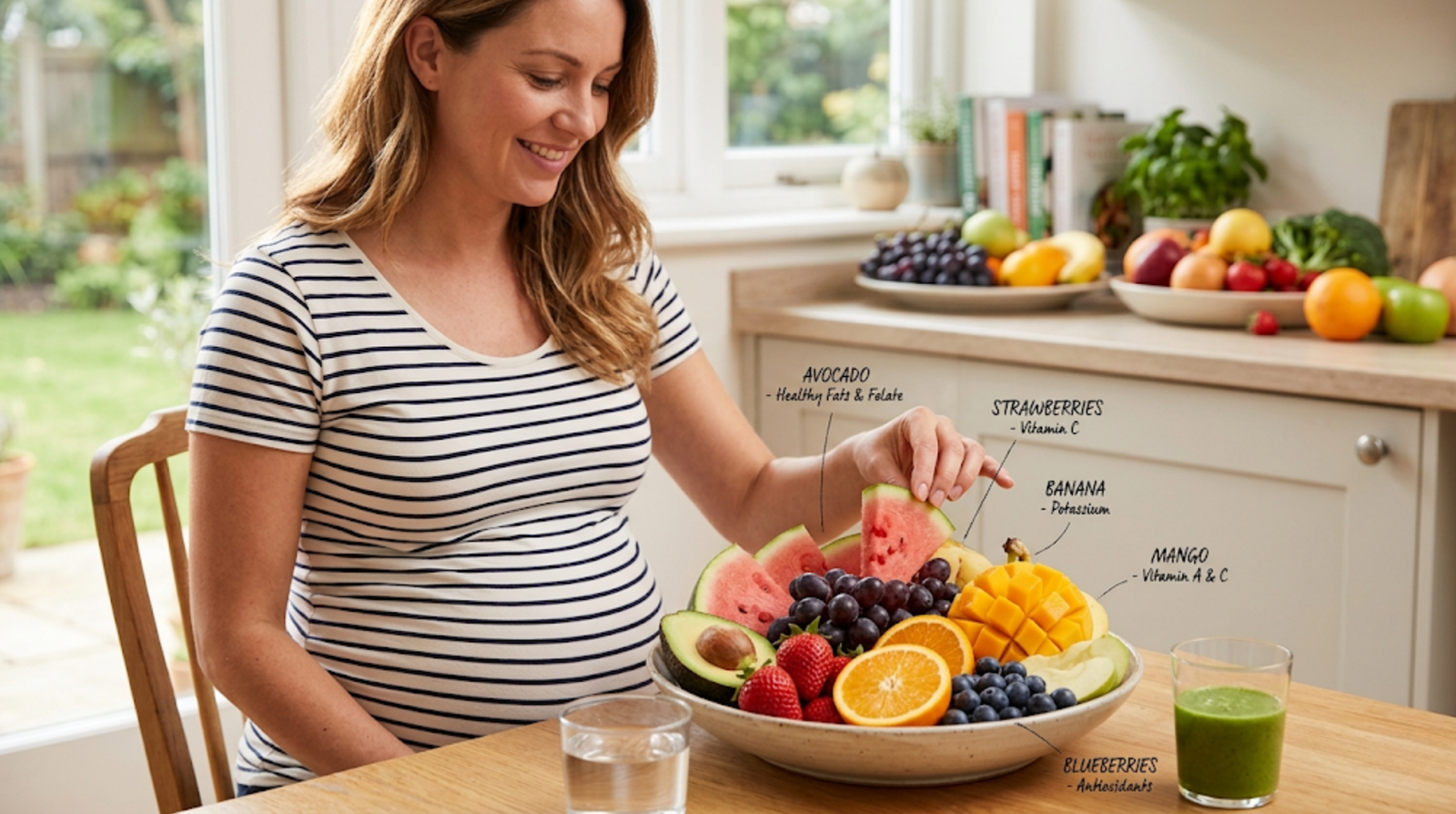
8 Healthy Fruits Every Pregnant Woman Should Include in Her Diet

Pregnancy is a beautiful journey that requires proper nutrition for both the mother and the growing baby. One of the easiest and healthiest ways to support a healthy pregnancy is by including nutrient-rich fruits in your daily diet. Fruits provide essential vitamins, minerals, fiber, antioxidants, and hydration that contribute to fetal development and maternal well-being.

At Om Global Hospital, Faridabad, we encourage expecting mothers to make informed dietary choices that support a healthy pregnancy. Here are some of the best fruits to eat during pregnancy and their amazing benefits.

Why Fruits Are Important During Pregnancy

Fruits are packed with nutrients that help:

  • Support baby’s growth and brain development
  • Strengthen the mother’s immune system
  • Prevent constipation and digestive issues
  • Maintain hydration levels
  • Reduce pregnancy-related discomforts
  • Provide natural energy

1. Tender Coconut – Natural Hydration Booster

Tender coconut water is one of the healthiest drinks during pregnancy. It contains electrolytes that help maintain fluid balance and prevent dehydration.

Benefits:

  • Keeps the body hydrated
  • Helps maintain amniotic fluid levels
  • Reduces fatigue
  • Supports healthy digestion

2. Apple – Supports a Strong Immune System

Apples are rich in fiber, vitamin C, and antioxidants that help strengthen immunity during pregnancy.

Benefits:

  • Boosts immune function
  • Promotes healthy digestion
  • Supports fetal lung development
  • Helps regulate blood sugar levels

3. Kiwi – Rich in Folate and Fiber

Kiwi is often considered a superfruit for pregnancy because it contains folate, vitamin C, potassium, and dietary fiber.

Benefits:

  • Supports baby’s brain and spinal cord development
  • Prevents neural tube defects
  • Improves digestion
  • Helps reduce constipation

4. Banana – Natural Relief from Constipation

Bananas are rich in potassium, vitamin B6, and fiber, making them an excellent pregnancy snack.

Benefits:

  • Relieves constipation
  • Helps manage morning sickness
  • Provides quick energy
  • Supports healthy blood pressure

5. Watermelon – Helps Reduce Heartburn

Watermelon contains over 90% water, making it an excellent fruit for hydration.

Benefits:

  • Reduces heartburn and acidity
  • Prevents dehydration
  • Helps control swelling
  • Provides vitamins A and C

6. Pomegranate – Packed with Iron and Antioxidants

Pomegranate is a nutrient-dense fruit that can help improve maternal health during pregnancy.

Benefits:

  • Supports healthy blood circulation
  • Helps prevent iron deficiency
  • Rich in antioxidants
  • Supports fetal growth

7. Mango – Nutrient-Rich Pregnancy Superfruit

Mangoes are loaded with vitamins A and C, which are essential during pregnancy.

Benefits:

  • Supports baby’s vision development
  • Strengthens immunity
  • Aids digestion
  • Provides natural energy

8. Orange – Excellent Source of Vitamin C

Oranges are refreshing fruits that provide hydration and immune support.

Benefits:

  • Boosts immunity
  • Helps iron absorption
  • Supports collagen formation
  • Reduces constipation

Fruits to Avoid or Limit During Pregnancy

While most fruits are safe, some should be consumed with caution:

  • Unwashed fruits may carry harmful bacteria.
  • Excess fruit juices can increase sugar intake.
  • Overconsumption of high-sugar fruits should be avoided in gestational diabetes.

Always consult your gynecologist before making significant dietary changes.

Pregnancy Fruit Diet Tips

Eat Seasonal Fruits

Fresh seasonal fruits provide maximum nutrition and freshness.

Wash Fruits Thoroughly

Always wash fruits properly to remove pesticides and contaminants.

Include Variety

Different fruits provide different nutrients, so include a colorful mix in your diet.

Stay Hydrated

Combine fruits with adequate water intake for optimal hydration.

Frequently Asked Questions (FAQs)

Which fruit is best during pregnancy?

There is no single best fruit. Apples, bananas, kiwi, pomegranate, oranges, watermelon, mangoes, and tender coconut are all excellent choices due to their unique nutritional benefits.

Can pregnant women eat mangoes?

Yes. Mangoes are rich in vitamins A and C and can be safely consumed in moderation during pregnancy.

Is coconut water safe during pregnancy?

Yes. Tender coconut water is considered safe and beneficial because it helps maintain hydration and electrolyte balance.

Which fruit helps with constipation during pregnancy?

Bananas, kiwi, apples, and oranges are rich in fiber and can help relieve constipation naturally.

Can watermelon help with pregnancy discomfort?

Yes. Watermelon may help reduce heartburn, swelling, and dehydration, especially during hot weather.

How many fruits should a pregnant woman eat daily?

Most pregnant women can safely consume 2–4 servings of fruits daily as part of a balanced diet. Consult your healthcare provider for personalized advice.

Healthy Pregnancy Starts with Healthy Choices

A balanced diet rich in fruits can make a significant difference in your pregnancy journey. By choosing nutrient-dense fruits, you can support your baby’s development while maintaining your own health and energy levels.

Remember, every pregnancy is unique. Always consult a qualified gynecologist or nutrition expert for personalized dietary guidance.

Why Choose Om Global Hospital, Faridabad?

At Om Global Hospital, our experienced obstetricians and gynecologists provide comprehensive pregnancy care, nutritional counseling, fetal monitoring, and maternity services to ensure a safe and healthy pregnancy journey for every mother.

Book Your Pregnancy Consultation Today

Looking for expert pregnancy care in Faridabad?

📞 Contact Om Global Hospital today to schedule an appointment with our experienced gynecology team.

Because every healthy pregnancy begins with the right care and nutrition.

Summer Pregnancy Care: Essential Precautions Every Pregnant Woman Should Take During Hot Weather

Pregnancy Tips

Stay Safe and Healthy During Pregnancy This Summer

Pregnancy is a beautiful journey, but the summer season can bring unique challenges for expecting mothers. High temperatures, dehydration, heat exhaustion, and food-borne illnesses can affect both the mother and the growing baby. Taking the right precautions during summer can help ensure a healthy and comfortable pregnancy.

At Om Global Hospital, our experienced gynecologists emphasize the importance of proper hydration, nutrition, and sun protection to keep mothers and babies safe throughout the summer months.

Why Summer Can Be Challenging During Pregnancy

During pregnancy, a woman’s body naturally produces more heat due to hormonal changes and increased blood circulation. Combined with hot weather, this can increase the risk of:

  • Dehydration
  • Heat exhaustion
  • Dizziness and fatigue
  • Swelling in the hands and feet
  • Low blood pressure
  • Food poisoning
  • Urinary tract infections (UTIs)

Proper summer care can significantly reduce these risks and support a healthy pregnancy.

1. Stay Hydrated Throughout the Day

Hydration is one of the most important aspects of summer pregnancy care.

Pregnant women need additional fluids to support increased blood volume, amniotic fluid production, and their baby’s development.

What to Drink:

  • Water
  • Coconut water
  • Lemon water
  • Buttermilk
  • Fresh fruit juices
  • Homemade electrolyte drinks

Benefits of Staying Hydrated:

  • Prevents dehydration
  • Reduces headaches and dizziness
  • Supports fetal development
  • Helps regulate body temperature
  • Prevents constipation

Expert Tip: Carry a water bottle wherever you go and aim to drink fluids regularly, even if you don’t feel thirsty.

2. Eat Fresh Seasonal Fruits

Fresh fruits provide essential vitamins, minerals, fiber, and water content that help maintain energy levels during pregnancy.

Best Summer Fruits for Pregnancy:

  • Watermelon
  • Muskmelon
  • Mangoes (in moderation)
  • Oranges
  • Pomegranates
  • Apples
  • Pears

Important Precaution:

Always eat freshly cut fruits. Avoid fruits that have been left uncovered or stored for long periods, as they may harbor harmful bacteria.

3. Avoid Outside Food and Street Food

Food contamination increases during summer due to high temperatures.

Pregnant women are more vulnerable to infections that can lead to:

  • Food poisoning
  • Diarrhea
  • Vomiting
  • Typhoid
  • Cholera
  • Dehydration

Safer Choices:

  • Freshly cooked homemade meals
  • Properly washed vegetables
  • Hygienically prepared foods

Avoid stale, refrigerated foods that have been stored for extended periods.

4. Wear Comfortable and Breathable Clothing

Choosing the right clothing can make a significant difference during hot weather.

Recommended Fabrics:

  • Cotton
  • Linen
  • Lightweight breathable materials

Benefits:

  • Keeps the body cool
  • Absorbs sweat
  • Prevents skin irritation
  • Reduces heat discomfort

Loose-fitting clothes also improve circulation and overall comfort.

5. Avoid Direct Sun Exposure

The strongest sunlight typically occurs between 11:00 AM and 4:00 PM.

During this period, prolonged exposure can increase the risk of:

  • Heat exhaustion
  • Dehydration
  • Sunburn
  • Fatigue

Summer Safety Tips:

  • Stay indoors whenever possible
  • Use an umbrella when outdoors
  • Wear a wide-brimmed hat
  • Apply pregnancy-safe sunscreen
  • Seek shade frequently

6. Watch for Signs of Heat Exhaustion

Heat-related illnesses can develop quickly during pregnancy.

Warning Signs Include:

  • Excessive sweating
  • Dizziness
  • Headache
  • Rapid heartbeat
  • Weakness
  • Nausea
  • Fainting

If you experience these symptoms, move to a cool place immediately, hydrate, and contact your healthcare provider.

7. Maintain a Healthy Pregnancy Diet

A balanced diet helps your body cope better with heat and supports your baby’s growth.

Include:

  • Fresh fruits and vegetables
  • Whole grains
  • Protein-rich foods
  • Dairy products
  • Healthy fats

Limit:

  • Excessively spicy foods
  • Sugary beverages
  • Processed foods
  • Excess caffeine

8. Get Adequate Rest

Summer heat can increase fatigue during pregnancy.

Ways to Stay Comfortable:

  • Sleep in a cool, well-ventilated room
  • Use light bedding
  • Elevate your feet to reduce swelling
  • Take short rest breaks throughout the day

Adequate sleep helps maintain healthy blood pressure and supports fetal development.

When Should You Contact Your Doctor?

Seek immediate medical attention if you experience:

  • Persistent dizziness
  • Severe dehydration
  • Reduced fetal movements
  • High fever
  • Continuous vomiting
  • Severe swelling
  • Signs of heat exhaustion

Early medical intervention can prevent complications and ensure maternal and fetal well-being.

Frequently Asked Questions (FAQs)

Is summer heat dangerous during pregnancy?

Extreme heat can increase the risk of dehydration, heat exhaustion, and pregnancy-related complications. Proper hydration and sun protection can significantly reduce these risks.

How much water should a pregnant woman drink during summer?

Most pregnant women should consume at least 8–12 glasses of fluids daily, though individual needs may vary based on weather and activity levels.

Can pregnant women drink coconut water every day?

Yes. Coconut water is generally considered a healthy hydration option during pregnancy and provides natural electrolytes.

Which fruits are best during summer pregnancy?

Watermelon, muskmelon, oranges, pomegranates, apples, and pears are excellent choices due to their high water and nutrient content.

Is it safe to go outside during hot weather while pregnant?

Yes, but avoid peak sunlight hours between 11 AM and 4 PM whenever possible and use proper sun protection.

What are the symptoms of dehydration during pregnancy?

Common symptoms include dry mouth, dizziness, dark urine, fatigue, headaches, and reduced urination.

Conclusion

Summer pregnancy requires extra care, but simple precautions can make a significant difference. Staying hydrated, eating fresh foods, wearing breathable clothing, avoiding direct sun exposure, and recognizing warning signs early can help protect both mother and baby.

Every pregnancy is unique, and personalized medical guidance is essential. If you have any concerns during pregnancy, consult your gynecologist promptly.

Book Your Pregnancy Consultation Today

At Om Global Hospital, our experienced obstetricians and gynecologists provide comprehensive prenatal care to help you enjoy a safe and healthy pregnancy throughout every season.

📞 Call us today to schedule your pregnancy check-up.

🌐 Visit our website to learn more about our maternity and women’s healthcare services.

Your health and your baby’s well-being are our highest priorities.

Getting a Good Night’s Sleep During Pregnancy

Pregnancy Health

Pregnancy is a beautiful journey, but as your baby grows, getting a good night’s sleep can become difficult. Many women experience back pain, frequent urination, leg cramps, heartburn, and overall discomfort while trying to rest. The good news is that choosing the right sleeping position and making a few simple lifestyle changes can help you sleep better and support your baby’s health.

At Om Global Hospital, we believe that quality sleep is an important part of a healthy pregnancy. In this guide, we will explain the best sleeping positions during pregnancy, what to avoid, and practical tips to help you feel more comfortable.

Why Sleep is Important During Pregnancy

Sleep helps your body recover and supports your baby’s growth and development. During pregnancy, your body works harder than usual, which makes proper rest even more important.

Getting enough sleep helps with:

  • Blood circulation
  • Hormonal balance
  • Reducing stress and fatigue
  • Supporting immunity
  • Lowering the risk of pregnancy complications

Lack of sleep can leave you feeling uncomfortable, irritable, and exhausted, especially during the later stages of pregnancy.

The Best Way to Sleep During Pregnancy

Sleep on Your Side

Doctors usually recommend that pregnant women sleep on their side after the first trimester.

Why Sleeping on Your Side is a Good Idea

Sleeping on your side helps with:

  • Improving blood flow to the baby
  • Reducing pressure on blood vessels
  • Supporting kidney function
  • Reducing swelling in the feet and legs
  • Delivering oxygen and nutrients to the placenta

Why the Left Side is the Best

Sleeping on your left side is often considered the best sleeping position during pregnancy because it improves circulation and reduces pressure on the liver.

Benefits of Sleeping on Your Left Side

  • Better blood flow to the uterus
  • Improved kidney function
  • Reduced swelling
  • Better nutrient supply to the baby

It is usually okay to sleep on your right side occasionally. The most important thing is to avoid sleeping on your back for long periods.

Sleeping Positions to Avoid During Pregnancy

Do Not Sleep on Your Back

After the first few months of pregnancy, sleeping on your back can put pressure on important blood vessels, including the inferior vena cava.

This may cause:

  • Dizziness
  • Back pain
  • Poor circulation
  • Shortness of breath
  • Low blood pressure

Do Not Sleep on Your Stomach

As your belly grows, sleeping on your stomach becomes uncomfortable and impractical. It may also strain your muscles and spine.

Tips for Sleeping Comfortably During Pregnancy

Use Pregnancy Pillows

Pregnancy pillows provide support for your back, belly, and knees. You can place a pillow:

  • Between your knees
  • Under your belly
  • Behind your back

This helps reduce strain and improves spinal alignment.

Keep Your Upper Body Elevated

If you experience heartburn or acidity, try sleeping with your head slightly elevated using extra pillows.

Stay Hydrated — But Be Smart About It

Drink plenty of water during the day, but avoid drinking too much right before bedtime to reduce nighttime bathroom trips.

Follow a Relaxing Bedtime Routine

Try these relaxing habits before sleeping:

  • Take a warm shower
  • Practice deep breathing
  • Listen to calming music
  • Avoid screens before bedtime

Wear Comfortable Clothes

Loose, breathable clothing helps maintain a comfortable body temperature and improves sleep quality.

Common Sleep Problems During Pregnancy

Leg Cramps

Stretch your legs gently before bed and stay hydrated throughout the day.

Frequent Urination

This is common during pregnancy because of hormonal changes and increased pressure on the bladder.

Back Pain

Using supportive pillows and maintaining proper posture can help reduce discomfort.

Trouble Sleeping

Stress, anxiety, hormonal changes, and physical discomfort can affect sleep during pregnancy. Relaxation exercises and maintaining a regular bedtime routine may help.

When to Talk to Your Doctor

Consult your doctor if you experience:

  • Severe trouble sleeping
  • Difficulty breathing during sleep
  • Loud snoring
  • Persistent pain
  • Extreme fatigue
  • Symptoms of sleep apnea

Proper medical care ensures both you and your baby remain healthy throughout pregnancy.

Frequently Asked Questions

1. What is the best sleeping position during pregnancy?

Sleeping on your side, especially the left side, is considered the safest and most comfortable sleeping position during pregnancy.

2. Is it bad to sleep on my back while pregnant?

After the first trimester, sleeping on your back for long periods may reduce blood circulation and cause discomfort.

3. Can I sleep on my right side during pregnancy?

Yes, sleeping on your right side occasionally is generally safe. However, the left side is often recommended for better circulation.

4. How can I reduce back pain while sleeping during pregnancy?

Use pillows between your knees and under your belly to support your spine and reduce pressure on your back.

5. Do I need a pregnancy pillow?

No, pregnancy pillows are not mandatory, but many women find them helpful for improving comfort and sleep quality.

6. Why do pregnant women have trouble sleeping?

Hormonal changes, body discomfort, frequent urination, anxiety, and the baby’s growth can all contribute to sleep problems during pregnancy.

Getting enough rest during pregnancy is essential for both you and your baby. Choosing the right sleeping position, using supportive pillows, and following healthy bedtime habits can significantly improve your comfort and overall well-being.

Every pregnancy is unique, so listen to your body and speak with your healthcare provider if you experience serious sleep problems.

Need expert pregnancy care and guidance? Visit Om Global Hospital for trusted maternity care, prenatal consultations, and complete pregnancy support.

📞 Book your appointment today and let our experienced specialists help you enjoy a safer, healthier, and more comfortable pregnancy.

Why You Need a Family-Centered Delivery: The Benefits of LDR Rooms

Women Health

Childbirth is one of the most transformative moments in a woman’s life. Today, modern maternity care is shifting toward a more family-centered approach, where emotional well-being is given equal importance as medical safety. One of the most significant advancements supporting this approach is the LDR Room (Labour, Delivery, and Recovery Room).

At Om Global Hospital, experts like Dr. Deepa Aggarwal (Obstetrician & Gynaecologist) emphasize how LDR rooms are redefining the childbirth experience—making it safer, smoother, and more comfortable for both mother and baby.

What is an LDR Room?

An LDR Room (Labour, Delivery, and Recovery Room) is a specially designed private space where a mother stays throughout the entire childbirth journey—from early labor to delivery and post-delivery recovery.

Unlike traditional setups where mothers are moved between multiple rooms, LDR ensures everything happens in one single, fully equipped, comfortable environment.

Why Family-Centered Delivery Matters

Childbirth is not just a medical event—it’s an emotional journey. Allowing family members, especially the husband, to stay present during labor provides:

  • Emotional reassurance
  • Reduced anxiety and stress
  • Greater confidence for the mother
  • A more positive birth experience

This approach aligns with global best practices in modern maternity care.

Key Benefits of LDR Rooms

1. Emotional Support for a Smoother Delivery

Having loved ones by your side during labor can make a significant difference. Emotional support is known to:

  • Reduce fear and stress
  • Improve pain tolerance
  • Increase chances of a normal vaginal delivery

2. No Room Transfers – Complete Convenience

Traditional delivery setups often require shifting the patient multiple times—from labor room to delivery room and then to recovery ward.

With LDR rooms:

  • Everything happens in one place
  • No unnecessary movement during critical moments
  • Better coordination of care

3. Home-Like Comfort

LDR rooms are designed to feel less clinical and more comfortable, offering:

  • Privacy and dignity
  • Calm, soothing environment
  • Better relaxation during labor

This comfort helps in reducing stress hormones, which can positively impact labor progression.

4. Enhanced Safety with Advanced Medical Care

While LDR rooms provide comfort, they are also fully equipped with advanced medical technology to handle emergencies, ensuring:

  • Continuous monitoring of mother and baby
  • Immediate medical intervention if needed
  • Safe delivery under expert supervision

5. Faster Recovery for New Mothers

Since the mother remains in the same room after delivery:

  • Recovery begins immediately in a familiar environment
  • Less physical strain from shifting
  • Better bonding time with the newborn

6. Strengthens Family Bonding

The presence of family during childbirth:

  • Creates a shared, memorable experience
  • Encourages early bonding between baby and parents
  • Supports the mother emotionally during recovery

Who Should Choose an LDR Room?

LDR rooms are ideal for:

  • First-time mothers
  • Women seeking a natural or normal delivery
  • Families who want to be actively involved in childbirth
  • Mothers who value comfort, privacy, and emotional support

Why Choose Om Global Hospital for LDR Delivery?

At Om Global Hospital, maternity care is designed with a patient-first approach:

  • Experienced obstetricians and nursing staff
  • Modern LDR facilities
  • Personalized care plans
  • Focus on both medical safety and emotional well-being

Frequently Asked Questions (FAQs)

1. What does LDR stand for?

LDR stands for Labour, Delivery, and Recovery, meaning all stages of childbirth happen in one room.

2. Can my husband stay with me during delivery in an LDR room?

Yes, most LDR setups allow the husband or a family member to stay throughout the process, providing continuous support.

3. Are LDR rooms safe for delivery?

Absolutely. LDR rooms are fully equipped with advanced medical technology and monitored by experienced doctors and staff.

4. Is LDR delivery more expensive?

Costs may vary depending on the hospital, but the added comfort, privacy, and convenience often make it a valuable choice.

5. Can complications be handled in an LDR room?

Yes. In case of complications, immediate medical intervention is available, and the patient can be shifted if required.

6. Is LDR suitable for normal delivery only?

LDR rooms are commonly used for normal deliveries, but they are also equipped to handle emergencies until further medical steps are taken.


Final Thoughts

LDR rooms represent the future of childbirth—combining advanced medical care with emotional support and comfort. A family-centered delivery not only improves clinical outcomes but also creates a positive and memorable birth experience.

Planning your delivery? Choose comfort, safety, and emotional support—all in one place.

👉 Visit Om Global Hospital to explore our advanced LDR facilities
📞 Book a consultation with our expert obstetricians today
📍 Experience a safer, smoother, and more supportive childbirth journey

Your journey to motherhood deserves the best care—every step of the way.

1st Trimester of Pregnancy: What Every Mother-to-Be Needs to Know

early pregnancy symptoms

Pregnancy is a beautiful journey, and it all begins with the first trimester—the initial 12 weeks that lay the foundation for your baby’s growth and your own well-being. While this phase may feel overwhelming due to physical and emotional changes, it is also the most crucial time to take the right steps for a healthy pregnancy.

At Om Global Hospital, Faridabad, Dr. Deepa Aggarwal, Director, shares essential guidance to help mothers-to-be navigate the first trimester with confidence and care.

Why the First Trimester Is So Important

The first trimester is when your baby’s vital organs begin to form, including the brain, heart, spine, and limbs. Because development happens so rapidly, this period is highly sensitive to nutrition, lifestyle choices, and medical care.

Early awareness and timely medical support can significantly reduce the risk of complications later in pregnancy.

1. Early Doctor Consultation: Your First Step to a Healthy Pregnancy

As soon as pregnancy is confirmed, scheduling an appointment with a gynaecologist is essential. Early consultations help to:

  • Confirm pregnancy and estimate due date
  • Review medical history and previous pregnancies
  • Identify risk factors early
  • Plan required blood tests and screenings

At Om Global Hospital, we focus on personalized prenatal care, ensuring both mother and baby receive the attention they need from the very beginning.

2. Why Folic Acid Is Essential from Day One

One of the most important supplements during the first trimester is Folic Acid.

Benefits of Folic Acid:

  • Helps prevent neural tube defects (brain and spinal cord issues)
  • Supports early brain and spinal development
  • Reduces the risk of certain birth defects

Doctors usually recommend starting folic acid even before conception and continuing through the first trimester, as advised by your healthcare provider.

3. First Ultrasound: What to Expect

Your first ultrasound, usually done between 6–8 weeks, is an exciting milestone. It helps to:

  • Confirm intrauterine pregnancy
  • Detect the baby’s heartbeat
  • Estimate gestational age
  • Rule out early complications

Seeing your baby for the first time can be an emotional and reassuring experience, especially when guided by expert care.

4. Lifestyle Adjustments During the First Trimester

Small changes in daily habits can make a big difference during early pregnancy.

🥗 Diet

  • Eat fresh, home-cooked, and nutritious food
  • Include fruits, vegetables, dairy, and proteins
  • Avoid raw, undercooked, or unhygienic food

✈️ Travel

  • Short-distance travel is usually safe
  • Avoid long, tiring journeys without medical advice

🚫 Safety

  • Avoid smoking, alcohol, and self-medication
  • Limit caffeine intake
  • Get adequate rest and manage stress

Always consult your doctor before making any major lifestyle changes.

Trust Om Global Hospital for Expert Pregnancy Care

Located in Faridabad, Om Global Hospital is committed to supporting women at every stage of pregnancy. With experienced specialists, advanced diagnostic facilities, and compassionate care, we truly believe in our motto:

“Where Health Comes First.”

Whether you are planning a pregnancy or have just entered your first trimester, our team is here to guide you every step of the way.

Final Thoughts

The first trimester is the foundation of a healthy pregnancy. With early medical consultation, proper nutrition, essential supplements like folic acid, and mindful lifestyle choices, you can ensure the best possible start for your baby.

If you have any concerns or questions, don’t hesitate to consult the experts at Om Global Hospital, Faridabad—because your journey into motherhood deserves the best care.

+91-9667931822