Om Global Hospital

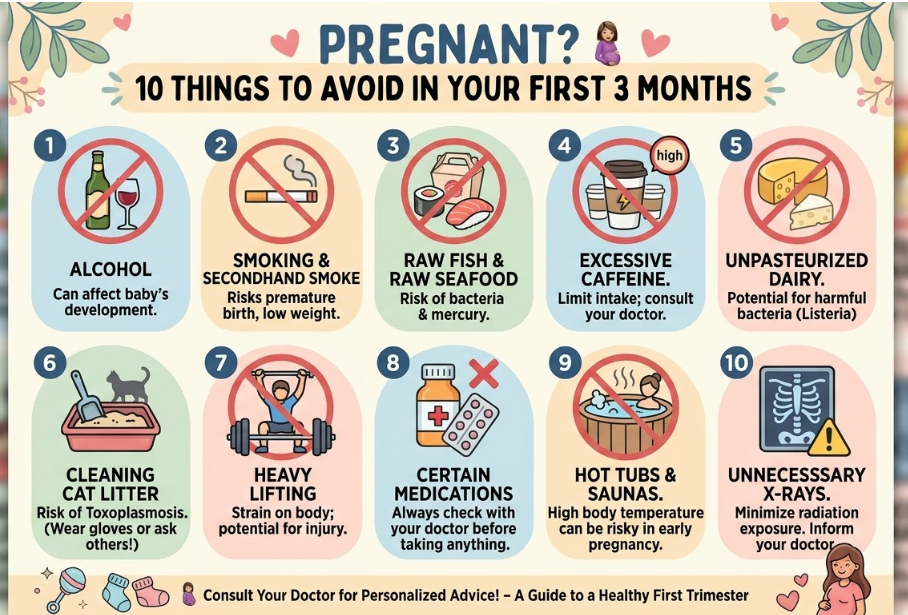
Pregnant? 10 Things to Avoid in Your First 3 Months 🤰

things to avoid during early pregnancy

A Complete First Trimester Safety Guide for Expecting Mothers

The first three months of pregnancy—also known as the first trimester—are one of the most crucial stages in a baby’s development. During this time, the baby’s organs, brain, and nervous system begin to form, making it extremely important for expecting mothers to take proper precautions.

In this guide, Dr. Praveen Chopra, Gynaecologist at Om Global Hospital, explains the most important things pregnant women should avoid during the first trimester to ensure a healthy pregnancy for both mother and baby.

Why the First 3 Months of Pregnancy Are So Important

The first trimester (weeks 1–12) is when the fetus develops rapidly. The placenta begins forming, the baby’s heartbeat starts, and major organs begin to develop.

Because the baby is still very delicate during this stage, external factors such as diet, lifestyle habits, medications, and chemicals can affect development. That’s why doctors recommend extra care during these initial months.

Taking the right precautions can significantly reduce the risk of complications such as miscarriage, developmental issues, or pregnancy complications.

10 Things to Avoid During the First Trimester

1. Excessive Caffeine

While a small amount of caffeine may be safe, too much caffeine can increase the risk of miscarriage and low birth weight.

Sources of caffeine include:

  • Coffee
  • Tea
  • Energy drinks
  • Chocolate
  • Soft drinks

Doctors usually recommend limiting caffeine to 200 mg per day during pregnancy.

2. Alcohol Consumption

Alcohol can pass directly from the mother to the baby through the placenta and may lead to Fetal Alcohol Syndrome (FAS), which can cause developmental delays and birth defects.

The safest option is to completely avoid alcohol during pregnancy.

3. Certain Fruits in Excess (Papaya & Pineapple)

Some fruits, especially raw papaya and excessive pineapple, are often advised to be avoided during early pregnancy.

  • Raw papaya contains latex which may trigger uterine contractions.
  • Pineapple contains bromelain that may soften the cervix if consumed in large quantities.

Moderation and consultation with your doctor are always recommended.

4. Raw or Unwashed Vegetables

Raw vegetables can sometimes carry bacteria such as Listeria or Toxoplasma, which can lead to infections harmful during pregnancy.

To stay safe:

  • Wash vegetables thoroughly
  • Avoid raw salads from outside
  • Prefer freshly cooked meals

5. Smoking and Tobacco

Smoking during pregnancy reduces oxygen supply to the baby and increases risks such as:

  • Premature birth
  • Low birth weight
  • Miscarriage
  • Developmental problems

Even second-hand smoke can be harmful for pregnant women.

6. Certain Medications Without Doctor Approval

Many over-the-counter medicines may not be safe during pregnancy.

Always consult your doctor before taking:

  • Painkillers
  • Antibiotics
  • Herbal supplements
  • Cold or flu medications

Never self-medicate during pregnancy.

7. Hair Dye and Chemical Treatments

Many women wonder if hair coloring or chemical treatments are safe during pregnancy.

While occasional use may be safe after the first trimester, doctors often recommend avoiding strong chemical treatments during the first 3 months because this is the most sensitive developmental stage.

8. Harsh Skincare Products

Some skincare ingredients should be avoided during pregnancy, including:

  • Retinoids
  • High-dose salicylic acid
  • Certain chemical peels

Always check ingredients or consult a doctor before using new skincare products during pregnancy.

9. Heavy Physical Work or Intense Exercise

Physical activity is healthy during pregnancy, but excessive or high-impact exercise can cause strain during early pregnancy.

Avoid:

  • Heavy lifting
  • High-intensity workouts
  • Activities with risk of falling

Instead, opt for light exercise, walking, or prenatal yoga after consulting your doctor.

10. Intercourse Without Medical Advice

Sex during pregnancy is generally safe, but some women may need restrictions depending on their medical condition.

Your doctor may advise avoiding intercourse if there is:

  • Risk of miscarriage
  • Placenta-related complications
  • Vaginal bleeding
  • Previous pregnancy complications

Always consult your gynaecologist for personalized advice.

Tips for a Healthy First Trimester

Along with avoiding certain things, expecting mothers should focus on healthy habits such as:

âś” Regular prenatal check-ups
âś” Taking folic acid supplements
âś” Eating a balanced and nutritious diet
âś” Staying hydrated
âś” Getting enough rest and sleep
âś” Managing stress

These simple steps can make a significant difference in ensuring a healthy pregnancy journey.

When Should You Visit a Doctor?

You should immediately consult a doctor if you experience:

  • Severe abdominal pain
  • Heavy bleeding
  • Persistent vomiting
  • High fever
  • Sudden swelling

Early medical care can prevent complications and ensure both mother and baby remain healthy.

Frequently Asked Questions (FAQs)

1. Can I drink coffee during the first trimester?

Yes, but in moderation. Doctors recommend limiting caffeine intake to about 200 mg per day, which is roughly one cup of coffee.

2. Is papaya completely unsafe during pregnancy?

Raw papaya should be avoided, especially during early pregnancy. However, ripe papaya in small amounts may be safe, but always consult your doctor.

3. Can I exercise during the first trimester?

Yes, light exercises such as walking, stretching, and prenatal yoga are generally safe, but always check with your doctor first.

4. Is it safe to use skincare products during pregnancy?

Some skincare ingredients may not be safe. Avoid products containing retinoids and strong chemical treatments during pregnancy.

5. When should I have my first pregnancy check-up?

Most doctors recommend the first prenatal visit around 6–8 weeks of pregnancy to confirm the pregnancy and check the baby’s development.

Start Your Pregnancy Journey with Expert Care

Pregnancy is a beautiful journey, but it also requires proper medical guidance and care, especially during the first trimester.

At Om Global Hospital, our experienced gynaecologists provide complete prenatal care, advanced diagnostics, and personalized pregnancy guidance to ensure the health and safety of both mother and baby.

📍 Visit: Om Global Hospital
📞 Book an Appointment Today for expert pregnancy care and consultation.

Your health and your baby’s future start with the right care. 💙

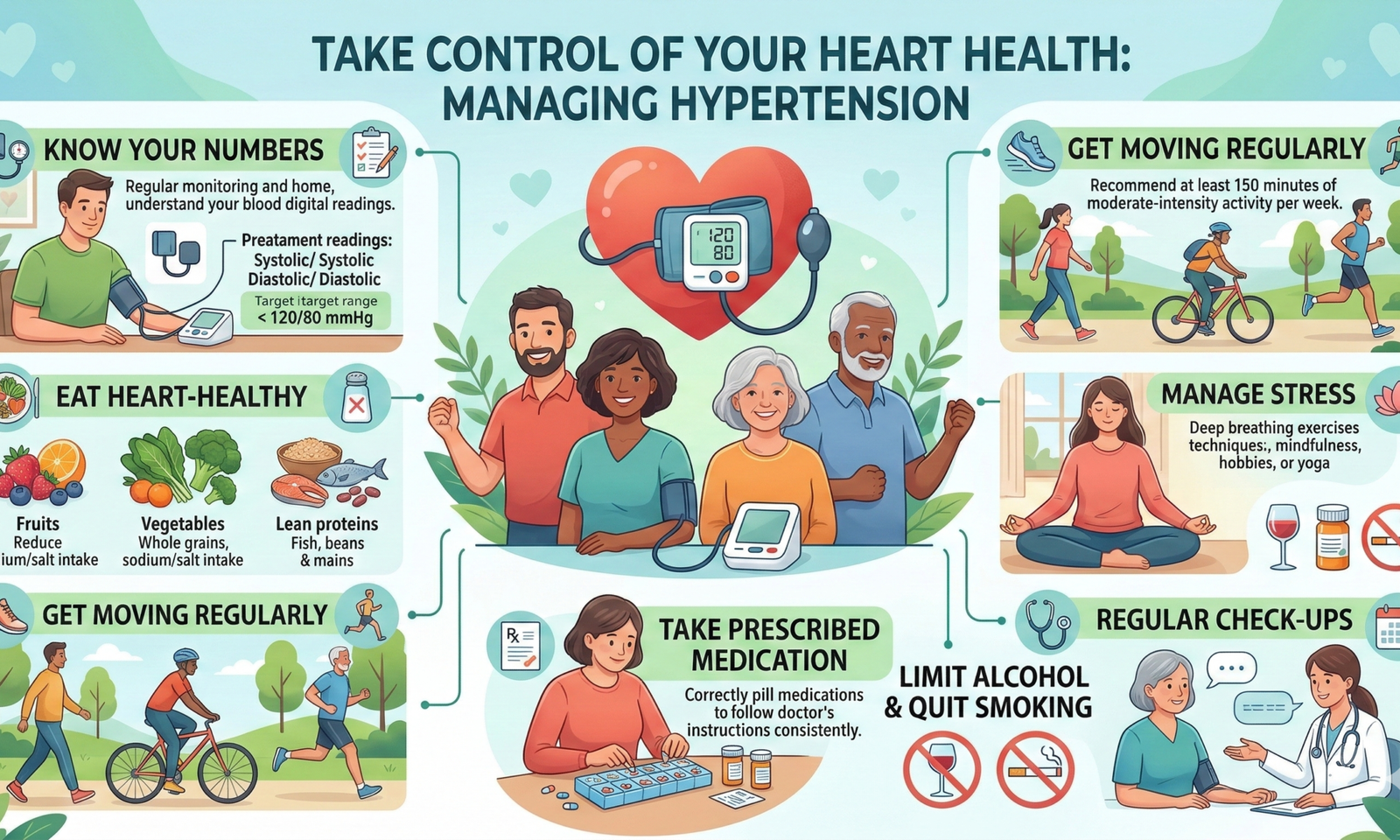
Take Control of Your Heart Health: Managing Hypertension

Control High Blood Pressure

High blood pressure, medically known as hypertension, is often called the “silent killer” because it usually shows no noticeable symptoms. Many people live with high blood pressure for years without realizing it, which can gradually damage the heart, brain, kidneys, and blood vessels.

At Om Global Hospital, our experts emphasize that early detection and lifestyle changes are the most effective ways to manage hypertension and protect your long-term health.

What is Hypertension?

Hypertension occurs when the force of blood pushing against the walls of your arteries is consistently too high. Over time, this pressure can damage blood vessels and increase the risk of serious conditions such as:

  • Heart disease
  • Stroke
  • Kidney damage
  • Vision problems
  • Heart attack

Normal blood pressure is generally around 120/80 mmHg. If readings consistently exceed 130/80 mmHg, it may indicate hypertension and requires medical attention.

Why Hypertension is Dangerous

One of the biggest challenges with hypertension is that most patients do not experience symptoms until complications arise. This is why regular blood pressure monitoring is essential.

Untreated high blood pressure can lead to:

  • Increased strain on the heart
  • Narrowed or blocked arteries
  • Damage to vital organs
  • Higher risk of cardiovascular diseases

Early diagnosis and lifestyle adjustments can significantly reduce these risks.

Key Lifestyle Changes to Manage Hypertension

Managing hypertension often starts with simple but consistent lifestyle changes. These changes can lower blood pressure naturally and improve overall heart health.

1. Reduce Salt Intake

Excess salt increases blood pressure by causing the body to retain water.

Tips to reduce salt:

  • Avoid processed and packaged foods
  • Limit pickles, chips, and salty snacks
  • Use herbs and spices instead of salt for flavor

Experts recommend keeping daily salt intake below 5 grams.

2. Limit Caffeine and Sugary Drinks

Too much caffeine may temporarily raise blood pressure. Try to:

  • Reduce coffee intake
  • Avoid energy drinks
  • Choose water, herbal tea, or fresh juices instead

3. Stay Physically Active

Regular exercise strengthens the heart and improves blood circulation.

Recommended activities include:

  • Brisk walking for 30 minutes daily
  • Cycling or swimming
  • Light strength training
  • Yoga or stretching exercises

Even small daily activities can make a big difference in managing blood pressure.

4. Manage Stress Effectively

Chronic stress can contribute to high blood pressure. Relaxation techniques can help control stress levels.

Helpful stress-management methods include:

  • Yoga and meditation
  • Deep breathing exercises
  • Spending time with family
  • Getting enough rest

A calm mind plays a major role in maintaining healthy blood pressure.

5. Prioritize Quality Sleep

Poor sleep can negatively impact blood pressure and heart health.

Tips for better sleep:

  • Maintain a consistent sleep schedule
  • Avoid screens before bedtime
  • Create a calm and dark sleeping environment

Adults should aim for 7–8 hours of quality sleep every night.

The Importance of Regular Blood Pressure Monitoring

Because hypertension often shows no symptoms, regular monitoring is crucial. Checking your blood pressure regularly helps detect problems early and allows timely medical intervention.

You should monitor your blood pressure if you:

  • Are above 35 years of age
  • Have a family history of hypertension
  • Are overweight or physically inactive
  • Experience frequent headaches or dizziness

Early monitoring helps prevent long-term complications.

When to See a Doctor

You should consult a doctor if:

  • Your blood pressure readings remain consistently high
  • You experience severe headaches, chest pain, or dizziness
  • You have existing conditions like diabetes or heart disease

Professional medical guidance ensures proper diagnosis, treatment, and long-term management.

Expert Care at Om Global Hospital

At Om Global Hospital, our specialists provide comprehensive care for hypertension and other heart-related conditions. With advanced diagnostics and personalized treatment plans, we help patients take control of their heart health.

If you or a loved one has concerns about high blood pressure, don’t wait for symptoms to appear.

📍 Visit us at Om Global Hospital and take the first step toward a healthier heart.

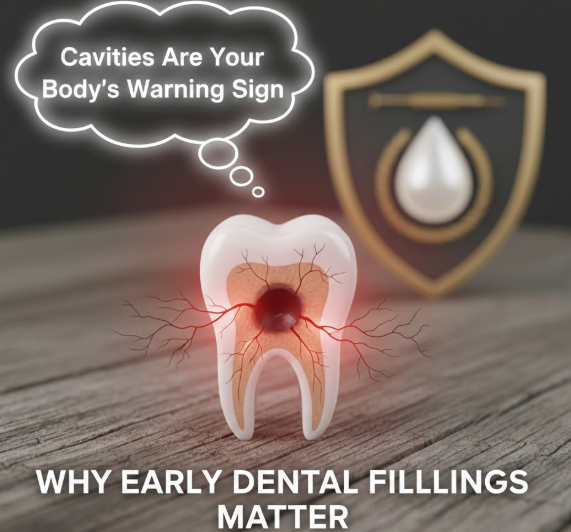
Cavities Are Your Body’s Warning Sign: Why Early Dental Fillings Matter

Cavity treatment in Faridabad

A mild toothache or sudden sensitivity is not something to ignore. Cavities are your body’s way of sounding an alarm. Whether caused by poor oral hygiene, sugary eating habits, or hidden decay, early treatment is essential to protect your smile.

At Om Global Hospital, we provide advanced and painless dental filling treatments in Faridabad to stop tooth decay before it becomes serious.

What Are Cavities?

Cavities (tooth decay) are damaged areas in the hard surface of your teeth caused by bacteria and acid formation. If untreated, they can grow deeper and affect the inner pulp of the tooth, leading to severe pain and infection.

Early diagnosis at Om Global Hospital helps prevent complications and preserves your natural teeth.

Why Do Cavities Develop?

1. Poor Oral Hygiene

Not brushing and flossing regularly allows plaque buildup, which damages tooth enamel.

2. Sugary & Acidic Foods

Frequent consumption of sweets, soft drinks, and processed foods increases acid production in the mouth.

3. Hidden Decay

Cavities can develop between teeth or under old fillings. Regular dental check-ups are essential for early detection.

Early Warning Signs You Shouldn’t Ignore

If you experience any of these symptoms, consult our dental experts immediately:

  • Tooth sensitivity to hot or cold
  • Pain while chewing
  • Visible holes or dark spots
  • Persistent bad breath
  • Mild or recurring toothache

Ignoring these signs can lead to root canal treatment or even tooth extraction.

How Dental Fillings Save Your Teeth

A dental filling is a simple procedure where the decayed part of the tooth is removed and filled with a safe, durable material.

Benefits of Early Dental Filling:

âś” Stops decay from spreading
âś” Prevents severe tooth pain
âś” Avoids costly root canal treatment
âś” Restores tooth strength and function
âś” Preserves your natural smile

At Om Global Hospital, we use modern tooth-colored composite fillings that blend naturally with your teeth.

Why Choose Om Global Hospital for Cavity Treatment in Faridabad?

  • Experienced dental specialists
  • Advanced diagnostic technology
  • Painless and safe procedures
  • Hygienic and patient-friendly environment
  • Affordable dental treatment packages

We focus on early intervention to ensure long-term oral health.

Tips to Prevent Cavities

  • Brush twice daily with fluoride toothpaste
  • Floss regularly
  • Reduce sugary snacks and drinks
  • Drink plenty of water
  • Schedule dental check-ups every 6 months

Prevention and early care are the keys to a healthy smile.

Book Your Dental Consultation Today

If you are experiencing tooth sensitivity or discomfort, don’t wait. Early treatment can save your tooth and prevent future complications.

📍 Visit Om Global Hospital, Faridabad
📞 Book your appointment today for expert cavity treatment and dental fillings.

Your smile deserves expert care.

Every Pregnancy Journey Is Unique: Understanding the Three Key Stages

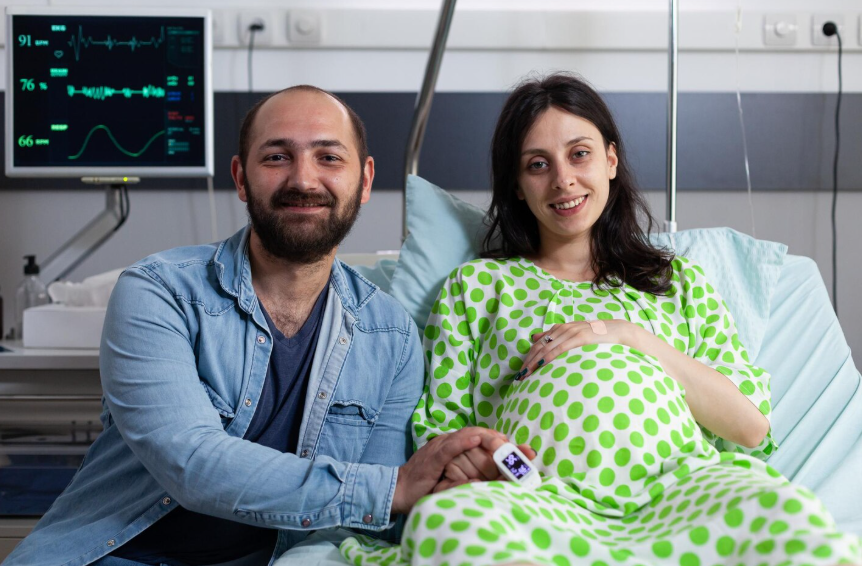
Pregnant woman smiling during prenatal care consultation at Om Global Hospital

Pregnancy is a remarkable journey filled with excitement, anticipation, and change. While every pregnancy experience is unique, understanding what typically happens at different stages can help expectant mothers feel more confident, prepared, and healthy.

At Om Global Hospital, we believe that informed mothers make empowered decisions. Breaking pregnancy into three key stages—known as trimesters—allows you to better understand your body, your baby’s development, and the care you need along the way.

First Trimester (Weeks 1–12): The Foundation Begins

The first trimester marks the beginning of pregnancy and is a time of rapid development for your baby. Although physical changes may not yet be visible, important internal changes are taking place.

What to Expect:

  • Common symptoms include nausea, vomiting (morning sickness), fatigue, mood swings, and breast tenderness
  • Hormonal changes can affect energy levels and emotions
  • The baby’s brain, heart, spinal cord, and major organs begin to form

How to Stay Healthy:

  • Start regular prenatal check-ups
  • Take prescribed prenatal vitamins, especially folic acid
  • Eat small, nutritious meals and stay hydrated
  • Get plenty of rest and avoid harmful substances

Early medical care during this stage is crucial to ensure a healthy pregnancy.

Second Trimester (Weeks 13–26): Growth and Relief

Often called the “honeymoon phase” of pregnancy, the second trimester is when many women begin to feel more comfortable and energetic.

What to Expect:

  • Reduced nausea and improved appetite
  • Visible baby bump as the uterus expands
  • Feeling the baby’s first movements (quickening)
  • Development of the baby’s bones, muscles, and senses

How to Stay Healthy:

  • Maintain a balanced diet rich in iron, calcium, and protein
  • Continue regular prenatal visits and recommended screenings
  • Engage in safe physical activities like walking or prenatal yoga
  • Pay attention to posture and back support

This stage is ideal for bonding with your baby and preparing emotionally for motherhood.

Third Trimester (Weeks 27–40): Preparing for Birth

The final trimester focuses on growth, preparation, and readiness for delivery. As the baby gains weight and moves into position, the body prepares for labor.

What to Expect:

  • Increased fatigue, back pain, and swelling
  • Shortness of breath and frequent urination
  • Stronger baby movements
  • Braxton Hicks (practice) contractions

How to Stay Healthy:

  • Attend all prenatal appointments and monitor blood pressure
  • Practice relaxation and breathing techniques
  • Prepare a birth plan and hospital bag
  • Get adequate rest and sleep on your side for better circulation

This stage is about staying calm, informed, and ready for your baby’s arrival.

Supporting You at Every Stage

At Om Global Hospital, our experienced obstetricians and maternity care team are dedicated to supporting mothers through every trimester. From routine check-ups to personalized guidance, we focus on your comfort, safety, and well-being throughout your pregnancy journey.

Final Thoughts

While no two pregnancies are the same, understanding the three key stages helps you navigate changes with confidence. By staying informed, attending regular check-ups, and listening to your body, you can enjoy a healthier and more positive pregnancy experience.

Your journey to motherhood is unique—and at Om Global Hospital, we are honored to walk every step with you.

+91-9667931822