
pregnancy care

Pregnant in Summer? How to Reduce Swelling and Stay Hydrated

Pregnancy Care

Summer can be tough—but being pregnant during the hotter months brings its own set of challenges. From dehydration to swelling (edema), the rising temperatures can make expecting mothers feel uncomfortable and exhausted.

In this guide, inspired by expert advice from Dr. Praveen Chopra (Gynaecologist at Om Global Hospital), we’ll share practical tips to help you stay cool, hydrated, and healthy throughout your pregnancy.

Why Summer Pregnancy Needs Extra Care

During pregnancy, your body temperature is already slightly higher than normal. Add summer heat to the mix, and it increases the risk of:

  • Dehydration
  • Heat exhaustion
  • Swelling in feet and hands
  • Fatigue and dizziness

That’s why it’s important to take proactive steps to protect both you and your baby.

1. Stay Hydrated: Your First Line of Defense 💧

Hydration is crucial during pregnancy—especially in summer.

What to Drink:

  • Water (at least 8–12 glasses daily)
  • Coconut water for natural electrolytes
  • ORS (Oral Rehydration Solution) if you feel weak or dehydrated

Pro Tip:

Carry a water bottle wherever you go and sip regularly instead of waiting until you feel thirsty.

2. Keep Your Body Cool 🧊

Overheating can make you feel faint and uncomfortable.

Easy Cooling Tips:

  • Apply cold compresses on pulse points (neck, wrists, ankles)
  • Take lukewarm showers
  • Stay indoors during peak heat hours (12 PM – 4 PM)
  • Use fans or air conditioning when possible

3. Choose Comfortable Maternity Clothing 👗

What you wear can make a big difference.

Go For:

  • Loose, breathable cotton clothes
  • Light-colored outfits that reflect heat
  • Comfortable footwear to avoid pressure on swollen feet

Don’t Forget:

  • Apply SPF 30+ sunscreen to protect your skin from harmful UV rays

4. Manage Swelling (Edema) Effectively 🦶

Swelling in the feet and ankles is common during pregnancy, especially in summer.

How to Reduce Swelling:

  • Elevate your feet above heart level for 15–20 minutes
  • Avoid standing or sitting for long periods
  • Sleep on your left side to improve circulation
  • Stay hydrated—yes, it helps reduce swelling too!

5. Know the Warning Signs 🚨

Some symptoms should never be ignored.

Contact Your Doctor If You Experience:

  • Severe or sudden swelling
  • Persistent headaches
  • Dizziness or fainting
  • Reduced baby movement
  • Signs of dehydration (dark urine, extreme thirst, dry mouth)

Early medical attention can prevent complications.

Additional Tips for a Healthy Summer Pregnancy

  • Eat water-rich fruits like watermelon, cucumber, and oranges
  • Avoid caffeine and sugary drinks
  • Take short, frequent rest breaks
  • Practice light exercises like walking or prenatal yoga

FAQs: Pregnancy Care in Summer

1. How much water should a pregnant woman drink in summer?

You should aim for 8–12 glasses of water daily, or more if you’re sweating heavily.

2. Is swelling normal during pregnancy in summer?

Yes, mild swelling is common. However, sudden or severe swelling should be checked by a doctor.

3. Are coconut water and ORS safe during pregnancy?

Yes, both are safe and help maintain electrolyte balance, especially in hot weather.

4. When should I worry about dehydration?

If you experience dark urine, dizziness, dry mouth, or fatigue, seek medical advice immediately.

Being pregnant in summer doesn’t have to be overwhelming. With the right precautions—hydration, cooling techniques, proper clothing, and awareness—you can stay comfortable and enjoy this special journey.

Your health and your baby’s safety come first.

If you’re experiencing discomfort, swelling, or dehydration symptoms during pregnancy, don’t ignore the signs.

👉 Consult the experts at Om Global Hospital today for personalized care and guidance.
📍 Book your appointment now and ensure a safe, healthy pregnancy journey.

Why You Need a Family-Centered Delivery: The Benefits of LDR Rooms

Women Health

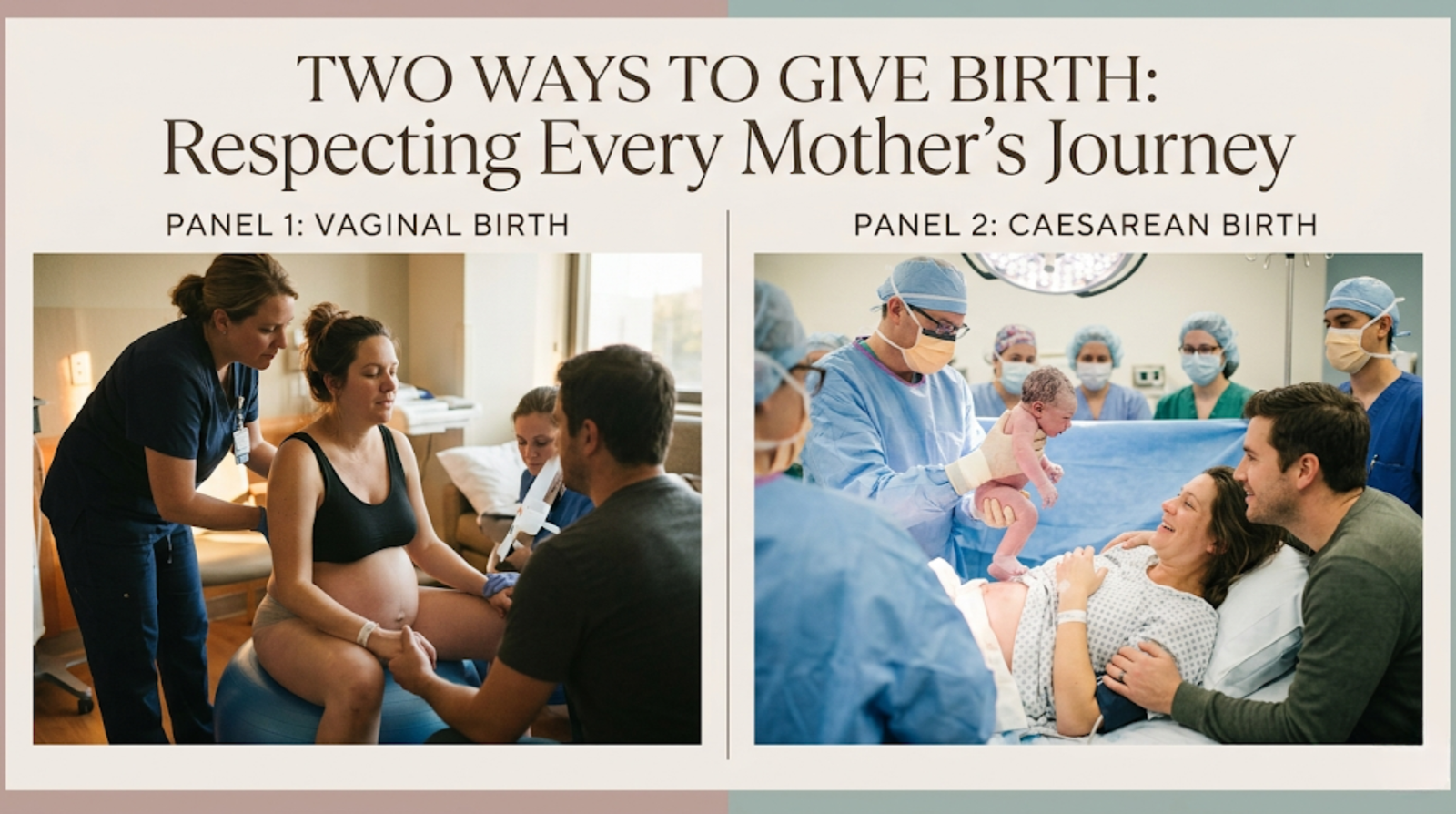
Childbirth is one of the most transformative moments in a woman’s life. Today, modern maternity care is shifting toward a more family-centered approach, where emotional well-being is given equal importance as medical safety. One of the most significant advancements supporting this approach is the LDR Room (Labour, Delivery, and Recovery Room).

At Om Global Hospital, experts like Dr. Deepa Aggarwal (Obstetrician & Gynaecologist) emphasize how LDR rooms are redefining the childbirth experience—making it safer, smoother, and more comfortable for both mother and baby.

What is an LDR Room?

An LDR Room (Labour, Delivery, and Recovery Room) is a specially designed private space where a mother stays throughout the entire childbirth journey—from early labor to delivery and post-delivery recovery.

Unlike traditional setups where mothers are moved between multiple rooms, LDR ensures everything happens in one single, fully equipped, comfortable environment.

Why Family-Centered Delivery Matters

Childbirth is not just a medical event—it’s an emotional journey. Allowing family members, especially the husband, to stay present during labor provides:

  • Emotional reassurance
  • Reduced anxiety and stress
  • Greater confidence for the mother
  • A more positive birth experience

This approach aligns with global best practices in modern maternity care.

Key Benefits of LDR Rooms

1. Emotional Support for a Smoother Delivery

Having loved ones by your side during labor can make a significant difference. Emotional support is known to:

  • Reduce fear and stress
  • Improve pain tolerance
  • Increase chances of a normal vaginal delivery

2. No Room Transfers – Complete Convenience

Traditional delivery setups often require shifting the patient multiple times—from labor room to delivery room and then to recovery ward.

With LDR rooms:

  • Everything happens in one place
  • No unnecessary movement during critical moments
  • Better coordination of care

3. Home-Like Comfort

LDR rooms are designed to feel less clinical and more comfortable, offering:

  • Privacy and dignity
  • Calm, soothing environment
  • Better relaxation during labor

This comfort helps in reducing stress hormones, which can positively impact labor progression.

4. Enhanced Safety with Advanced Medical Care

While LDR rooms provide comfort, they are also fully equipped with advanced medical technology to handle emergencies, ensuring:

  • Continuous monitoring of mother and baby
  • Immediate medical intervention if needed
  • Safe delivery under expert supervision

5. Faster Recovery for New Mothers

Since the mother remains in the same room after delivery:

  • Recovery begins immediately in a familiar environment
  • Less physical strain from shifting
  • Better bonding time with the newborn

6. Strengthens Family Bonding

The presence of family during childbirth:

  • Creates a shared, memorable experience
  • Encourages early bonding between baby and parents
  • Supports the mother emotionally during recovery

Who Should Choose an LDR Room?

LDR rooms are ideal for:

  • First-time mothers
  • Women seeking a natural or normal delivery
  • Families who want to be actively involved in childbirth
  • Mothers who value comfort, privacy, and emotional support

Why Choose Om Global Hospital for LDR Delivery?

At Om Global Hospital, maternity care is designed with a patient-first approach:

  • Experienced obstetricians and nursing staff
  • Modern LDR facilities
  • Personalized care plans
  • Focus on both medical safety and emotional well-being

Frequently Asked Questions (FAQs)

1. What does LDR stand for?

LDR stands for Labour, Delivery, and Recovery, meaning all stages of childbirth happen in one room.

2. Can my husband stay with me during delivery in an LDR room?

Yes, most LDR setups allow the husband or a family member to stay throughout the process, providing continuous support.

3. Are LDR rooms safe for delivery?

Absolutely. LDR rooms are fully equipped with advanced medical technology and monitored by experienced doctors and staff.

4. Is LDR delivery more expensive?

Costs may vary depending on the hospital, but the added comfort, privacy, and convenience often make it a valuable choice.

5. Can complications be handled in an LDR room?

Yes. In case of complications, immediate medical intervention is available, and the patient can be shifted if required.

6. Is LDR suitable for normal delivery only?

LDR rooms are commonly used for normal deliveries, but they are also equipped to handle emergencies until further medical steps are taken.


Final Thoughts

LDR rooms represent the future of childbirth—combining advanced medical care with emotional support and comfort. A family-centered delivery not only improves clinical outcomes but also creates a positive and memorable birth experience.

Planning your delivery? Choose comfort, safety, and emotional support—all in one place.

👉 Visit Om Global Hospital to explore our advanced LDR facilities
📞 Book a consultation with our expert obstetricians today
📍 Experience a safer, smoother, and more supportive childbirth journey

Your journey to motherhood deserves the best care—every step of the way.

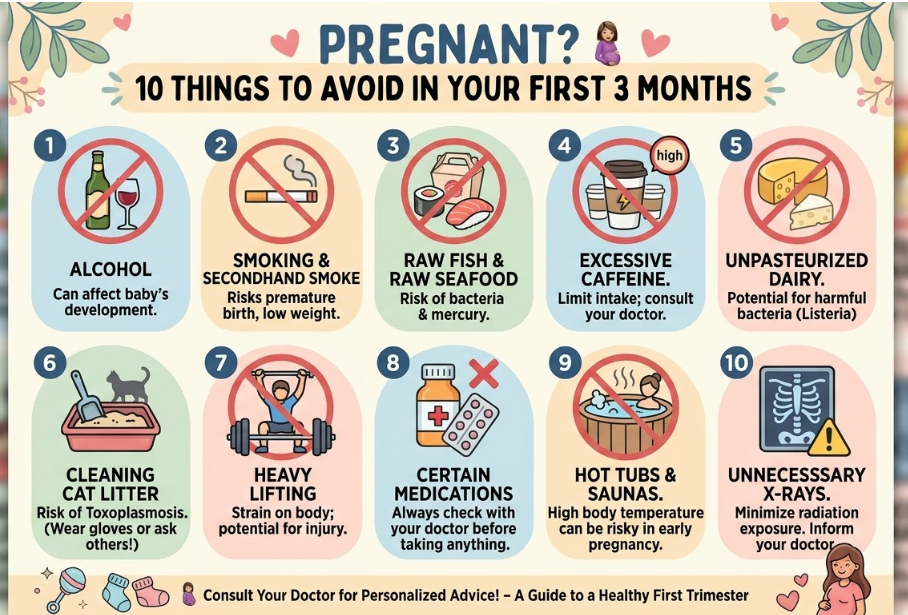
Pregnant? 10 Things to Avoid in Your First 3 Months 🤰

things to avoid during early pregnancy

A Complete First Trimester Safety Guide for Expecting Mothers

The first three months of pregnancy—also known as the first trimester—are one of the most crucial stages in a baby’s development. During this time, the baby’s organs, brain, and nervous system begin to form, making it extremely important for expecting mothers to take proper precautions.

In this guide, Dr. Praveen Chopra, Gynaecologist at Om Global Hospital, explains the most important things pregnant women should avoid during the first trimester to ensure a healthy pregnancy for both mother and baby.

Why the First 3 Months of Pregnancy Are So Important

The first trimester (weeks 1–12) is when the fetus develops rapidly. The placenta begins forming, the baby’s heartbeat starts, and major organs begin to develop.

Because the baby is still very delicate during this stage, external factors such as diet, lifestyle habits, medications, and chemicals can affect development. That’s why doctors recommend extra care during these initial months.

Taking the right precautions can significantly reduce the risk of complications such as miscarriage, developmental issues, or pregnancy complications.

10 Things to Avoid During the First Trimester

1. Excessive Caffeine

While a small amount of caffeine may be safe, too much caffeine can increase the risk of miscarriage and low birth weight.

Sources of caffeine include:

  • Coffee
  • Tea
  • Energy drinks
  • Chocolate
  • Soft drinks

Doctors usually recommend limiting caffeine to 200 mg per day during pregnancy.

2. Alcohol Consumption

Alcohol can pass directly from the mother to the baby through the placenta and may lead to Fetal Alcohol Syndrome (FAS), which can cause developmental delays and birth defects.

The safest option is to completely avoid alcohol during pregnancy.

3. Certain Fruits in Excess (Papaya & Pineapple)

Some fruits, especially raw papaya and excessive pineapple, are often advised to be avoided during early pregnancy.

  • Raw papaya contains latex which may trigger uterine contractions.
  • Pineapple contains bromelain that may soften the cervix if consumed in large quantities.

Moderation and consultation with your doctor are always recommended.

4. Raw or Unwashed Vegetables

Raw vegetables can sometimes carry bacteria such as Listeria or Toxoplasma, which can lead to infections harmful during pregnancy.

To stay safe:

  • Wash vegetables thoroughly
  • Avoid raw salads from outside
  • Prefer freshly cooked meals

5. Smoking and Tobacco

Smoking during pregnancy reduces oxygen supply to the baby and increases risks such as:

  • Premature birth
  • Low birth weight
  • Miscarriage
  • Developmental problems

Even second-hand smoke can be harmful for pregnant women.

6. Certain Medications Without Doctor Approval

Many over-the-counter medicines may not be safe during pregnancy.

Always consult your doctor before taking:

  • Painkillers
  • Antibiotics
  • Herbal supplements
  • Cold or flu medications

Never self-medicate during pregnancy.

7. Hair Dye and Chemical Treatments

Many women wonder if hair coloring or chemical treatments are safe during pregnancy.

While occasional use may be safe after the first trimester, doctors often recommend avoiding strong chemical treatments during the first 3 months because this is the most sensitive developmental stage.

8. Harsh Skincare Products

Some skincare ingredients should be avoided during pregnancy, including:

  • Retinoids
  • High-dose salicylic acid
  • Certain chemical peels

Always check ingredients or consult a doctor before using new skincare products during pregnancy.

9. Heavy Physical Work or Intense Exercise

Physical activity is healthy during pregnancy, but excessive or high-impact exercise can cause strain during early pregnancy.

Avoid:

  • Heavy lifting
  • High-intensity workouts
  • Activities with risk of falling

Instead, opt for light exercise, walking, or prenatal yoga after consulting your doctor.

10. Intercourse Without Medical Advice

Sex during pregnancy is generally safe, but some women may need restrictions depending on their medical condition.

Your doctor may advise avoiding intercourse if there is:

  • Risk of miscarriage
  • Placenta-related complications
  • Vaginal bleeding
  • Previous pregnancy complications

Always consult your gynaecologist for personalized advice.

Tips for a Healthy First Trimester

Along with avoiding certain things, expecting mothers should focus on healthy habits such as:

✔ Regular prenatal check-ups
✔ Taking folic acid supplements
✔ Eating a balanced and nutritious diet
✔ Staying hydrated
✔ Getting enough rest and sleep
✔ Managing stress

These simple steps can make a significant difference in ensuring a healthy pregnancy journey.

When Should You Visit a Doctor?

You should immediately consult a doctor if you experience:

  • Severe abdominal pain
  • Heavy bleeding
  • Persistent vomiting
  • High fever
  • Sudden swelling

Early medical care can prevent complications and ensure both mother and baby remain healthy.

Frequently Asked Questions (FAQs)

1. Can I drink coffee during the first trimester?

Yes, but in moderation. Doctors recommend limiting caffeine intake to about 200 mg per day, which is roughly one cup of coffee.

2. Is papaya completely unsafe during pregnancy?

Raw papaya should be avoided, especially during early pregnancy. However, ripe papaya in small amounts may be safe, but always consult your doctor.

3. Can I exercise during the first trimester?

Yes, light exercises such as walking, stretching, and prenatal yoga are generally safe, but always check with your doctor first.

4. Is it safe to use skincare products during pregnancy?

Some skincare ingredients may not be safe. Avoid products containing retinoids and strong chemical treatments during pregnancy.

5. When should I have my first pregnancy check-up?

Most doctors recommend the first prenatal visit around 6–8 weeks of pregnancy to confirm the pregnancy and check the baby’s development.

Start Your Pregnancy Journey with Expert Care

Pregnancy is a beautiful journey, but it also requires proper medical guidance and care, especially during the first trimester.

At Om Global Hospital, our experienced gynaecologists provide complete prenatal care, advanced diagnostics, and personalized pregnancy guidance to ensure the health and safety of both mother and baby.

📍 Visit: Om Global Hospital
📞 Book an Appointment Today for expert pregnancy care and consultation.

Your health and your baby’s future start with the right care. 💙

1st Trimester of Pregnancy: What Every Mother-to-Be Needs to Know

early pregnancy symptoms

Pregnancy is a beautiful journey, and it all begins with the first trimester—the initial 12 weeks that lay the foundation for your baby’s growth and your own well-being. While this phase may feel overwhelming due to physical and emotional changes, it is also the most crucial time to take the right steps for a healthy pregnancy.

At Om Global Hospital, Faridabad, Dr. Deepa Aggarwal, Director, shares essential guidance to help mothers-to-be navigate the first trimester with confidence and care.

Why the First Trimester Is So Important

The first trimester is when your baby’s vital organs begin to form, including the brain, heart, spine, and limbs. Because development happens so rapidly, this period is highly sensitive to nutrition, lifestyle choices, and medical care.

Early awareness and timely medical support can significantly reduce the risk of complications later in pregnancy.

1. Early Doctor Consultation: Your First Step to a Healthy Pregnancy

As soon as pregnancy is confirmed, scheduling an appointment with a gynaecologist is essential. Early consultations help to:

  • Confirm pregnancy and estimate due date
  • Review medical history and previous pregnancies
  • Identify risk factors early
  • Plan required blood tests and screenings

At Om Global Hospital, we focus on personalized prenatal care, ensuring both mother and baby receive the attention they need from the very beginning.

2. Why Folic Acid Is Essential from Day One

One of the most important supplements during the first trimester is Folic Acid.

Benefits of Folic Acid:

  • Helps prevent neural tube defects (brain and spinal cord issues)
  • Supports early brain and spinal development
  • Reduces the risk of certain birth defects

Doctors usually recommend starting folic acid even before conception and continuing through the first trimester, as advised by your healthcare provider.

3. First Ultrasound: What to Expect

Your first ultrasound, usually done between 6–8 weeks, is an exciting milestone. It helps to:

  • Confirm intrauterine pregnancy
  • Detect the baby’s heartbeat
  • Estimate gestational age
  • Rule out early complications

Seeing your baby for the first time can be an emotional and reassuring experience, especially when guided by expert care.

4. Lifestyle Adjustments During the First Trimester

Small changes in daily habits can make a big difference during early pregnancy.

🥗 Diet

  • Eat fresh, home-cooked, and nutritious food
  • Include fruits, vegetables, dairy, and proteins
  • Avoid raw, undercooked, or unhygienic food

✈️ Travel

  • Short-distance travel is usually safe
  • Avoid long, tiring journeys without medical advice

🚫 Safety

  • Avoid smoking, alcohol, and self-medication
  • Limit caffeine intake
  • Get adequate rest and manage stress

Always consult your doctor before making any major lifestyle changes.

Trust Om Global Hospital for Expert Pregnancy Care

Located in Faridabad, Om Global Hospital is committed to supporting women at every stage of pregnancy. With experienced specialists, advanced diagnostic facilities, and compassionate care, we truly believe in our motto:

“Where Health Comes First.”

Whether you are planning a pregnancy or have just entered your first trimester, our team is here to guide you every step of the way.

Final Thoughts

The first trimester is the foundation of a healthy pregnancy. With early medical consultation, proper nutrition, essential supplements like folic acid, and mindful lifestyle choices, you can ensure the best possible start for your baby.

If you have any concerns or questions, don’t hesitate to consult the experts at Om Global Hospital, Faridabad—because your journey into motherhood deserves the best care.

Every Pregnancy Journey Is Unique: Understanding the Three Key Stages

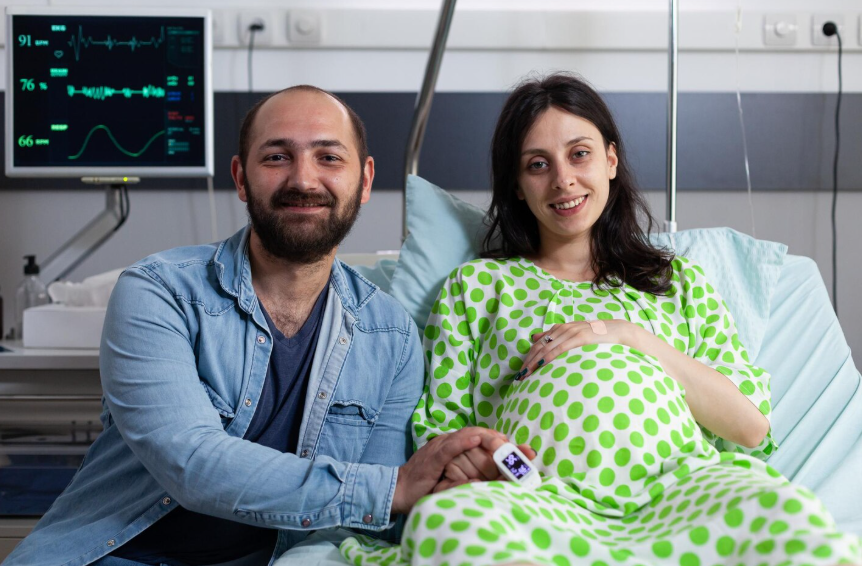
Pregnant woman smiling during prenatal care consultation at Om Global Hospital

Pregnancy is a remarkable journey filled with excitement, anticipation, and change. While every pregnancy experience is unique, understanding what typically happens at different stages can help expectant mothers feel more confident, prepared, and healthy.

At Om Global Hospital, we believe that informed mothers make empowered decisions. Breaking pregnancy into three key stages—known as trimesters—allows you to better understand your body, your baby’s development, and the care you need along the way.

First Trimester (Weeks 1–12): The Foundation Begins

The first trimester marks the beginning of pregnancy and is a time of rapid development for your baby. Although physical changes may not yet be visible, important internal changes are taking place.

What to Expect:

  • Common symptoms include nausea, vomiting (morning sickness), fatigue, mood swings, and breast tenderness
  • Hormonal changes can affect energy levels and emotions
  • The baby’s brain, heart, spinal cord, and major organs begin to form

How to Stay Healthy:

  • Start regular prenatal check-ups
  • Take prescribed prenatal vitamins, especially folic acid
  • Eat small, nutritious meals and stay hydrated
  • Get plenty of rest and avoid harmful substances

Early medical care during this stage is crucial to ensure a healthy pregnancy.

Second Trimester (Weeks 13–26): Growth and Relief

Often called the “honeymoon phase” of pregnancy, the second trimester is when many women begin to feel more comfortable and energetic.

What to Expect:

  • Reduced nausea and improved appetite
  • Visible baby bump as the uterus expands
  • Feeling the baby’s first movements (quickening)
  • Development of the baby’s bones, muscles, and senses

How to Stay Healthy:

  • Maintain a balanced diet rich in iron, calcium, and protein
  • Continue regular prenatal visits and recommended screenings
  • Engage in safe physical activities like walking or prenatal yoga
  • Pay attention to posture and back support

This stage is ideal for bonding with your baby and preparing emotionally for motherhood.

Third Trimester (Weeks 27–40): Preparing for Birth

The final trimester focuses on growth, preparation, and readiness for delivery. As the baby gains weight and moves into position, the body prepares for labor.

What to Expect:

  • Increased fatigue, back pain, and swelling
  • Shortness of breath and frequent urination
  • Stronger baby movements
  • Braxton Hicks (practice) contractions

How to Stay Healthy:

  • Attend all prenatal appointments and monitor blood pressure
  • Practice relaxation and breathing techniques
  • Prepare a birth plan and hospital bag
  • Get adequate rest and sleep on your side for better circulation

This stage is about staying calm, informed, and ready for your baby’s arrival.

Supporting You at Every Stage

At Om Global Hospital, our experienced obstetricians and maternity care team are dedicated to supporting mothers through every trimester. From routine check-ups to personalized guidance, we focus on your comfort, safety, and well-being throughout your pregnancy journey.

Final Thoughts

While no two pregnancies are the same, understanding the three key stages helps you navigate changes with confidence. By staying informed, attending regular check-ups, and listening to your body, you can enjoy a healthier and more positive pregnancy experience.

Your journey to motherhood is unique—and at Om Global Hospital, we are honored to walk every step with you.

+91-9667931822